
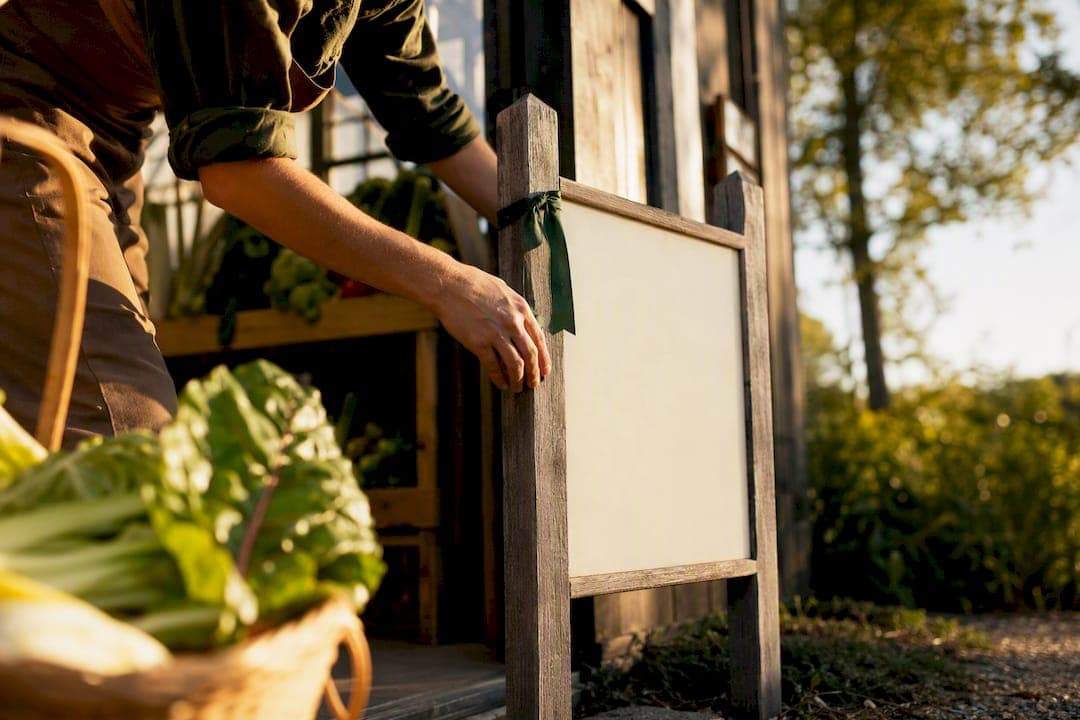
Farm stand branding on a digital storefront comes down to one habit: use the same name, the same photo style, and the same short story everywhere a buyer sees you. Skip the logo budget. A consistent name, a clean image, precise titles, and a real About section move more product than a $500 design package ever will.
TL;DR:
- Consistent branding with the same name, photo style, and About section across all platforms increases buyer trust more than expensive logos or designs.
- Proper product titles should include harvest or bake dates, storage notes, and specific details to improve searchability and buyer confidence.
- Clear, natural light, centered subjects, and minimal branding in photos with platform-specific crops are essential for acceptance and ranking on marketplaces.
- Updating inventory counts daily, providing honest stock information, and reordering links significantly boost repeat sales and customer satisfaction.
- Seasonal updates to headers, photos, and product descriptions create urgency, show activity, and differentiate local sellers from big retailers.
Table of Contents
- The Priority Checklist: What To Fix First On Your Farm Stand
- How Do You Write A Storefront Profile That Converts?
- What Makes A Good Product Photo On A Marketplace?
- Listing Copy And Inventory Habits That Bring Buyers Back
- How To Write A Brand Story Buyers Actually Read
- A One-Week Plan For Launching Your Refreshed Storefront
- Who Are You Actually Selling To?
- What Makes Farm Stand Signage And Display Actually Work?
- Should You Use Eco-Friendly Branding Materials?
- How Do Seasonal Themes Strengthen Your Brand?
- How Do You Stand Out From Other Local Sellers?
- How Should Customer Feedback Change Your Branding?
- Harvest Hub's Take: Why Consistent Branding Wins On A Local Marketplace
- Put This Branding Playbook To Work On Harvest Hub
- Sources
The Priority Checklist: What To Fix First On Your Farm Stand
Most producers try to fix everything at once and end up fixing nothing. Work this list in order over the next week.
- Pick one business name and write a one-line headline for your storefront (no variations across posts, cards, or bios).
- Choose one photo style and export two crops sized for platform tiles and headers.
- Rewrite every product title with the formula in the listing section below, including harvest or bake date and storage notes.
- Turn on live inventory tracking or set stock buffers you can actually keep up with.
- Write a 150 to 200 word About section with a real photo of yourself and one trust line (pickup policy, hours, or years selling).
- Build a QR code or reorder link and pin it in your social bios and order confirmations.
Pro Tip: Do steps 1 through 3 first. They take under an hour combined and touch every listing you have. The About section and QR link matter, but they convert existing traffic. Bad titles and mismatched photos lose it before it arrives.
How Do You Write A Storefront Profile That Converts?
Your About section is doing the job a handshake used to do at a real market stand. Buyers can't smell your bread or watch you bag greens, so the words and one photo have to carry that trust instead.
Keep the About copy in first person, 150 to 200 words, built around three moves: who you are, what you actually grow or make, and why someone should order from you instead of a grocery store. Open with your one-line headline (something like "Pasture eggs and sourdough from a two-acre homestead"), not a company mission statement. End with a specific, checkable detail: how long you've sold locally, or how many seasons you've run the stand.
Pair that copy with one portrait photo, not a logo. Buyers respond to faces more than icons.
A few details close the confidence gap faster than anything else:
- Pickup or delivery policy stated in plain language, including days and windows.
- Current hours, updated the same week they change.
- Harvest or bake date on the item, not just "fresh."
- A visible review count or star rating, even a small one.
A short on-storefront FAQ helps too. Two or three lines answering "How do I pick this up?" and "What if I miss the window?" head off the questions that otherwise arrive as cancelled orders.
What Makes A Good Product Photo On A Marketplace?
Photo rules are stricter than most producers assume, and most marketplace platforms enforce them the same way. Keep your subject centered, use a plain or neutral background, and shoot in natural light rather than a dim kitchen bulb. Skip any added text, price stickers, or logos baked into the image itself. Delivery and marketplace platforms frequently reject or downrank images that carry extra branding text baked into the photo rather than the listing fields.
Two exports cover almost every marketplace display need: a 5:4 crop for catalog tiles and a 16:9 crop for storefront headers. Shooting one clean master image and cropping it two ways is faster than reshooting for every placement.
- Use your phone camera at the highest resolution setting, not a screenshot or a saved social post.
- Shoot near a window between mid-morning and early afternoon for even light.
- Wipe the lens before every batch. Dust shows more than people expect on close-up produce shots.
- Name files by product and date (
kale_bunch_0312.jpg) so you can find and reuse them fast. - Keep raw exports under a few megabytes so upload times stay quick on a phone connection.
Pro Tip: Shoot five to six items in one light session, then batch-crop them together. It's the difference between photo day taking twenty minutes or two hours.
Listing Copy And Inventory Habits That Bring Buyers Back
The listing is your storefront's shelf label, and a vague one costs you the sale before the buyer even opens the description. Use a simple title formula: product, variety, pack size. "Heirloom Tomatoes, Cherokee Purple, 1 lb" beats "Tomatoes" every time, and it tells a buyer exactly what they're getting before they click.
Description fields should carry four things: harvest or bake date, whether the item is washed or ready to use, storage instructions, and one quick use idea or recipe note. That last line sounds small, but it's often what tips a browser into a buyer.
Inventory accuracy matters more than most sellers rank it. Incomplete or inconsistent stock counts hurt visibility and can reduce ad eligibility on ordering platforms, and a canceled order because you oversold does more brand damage than a slightly higher price ever would.
- Update stock counts the same day you harvest or bake, not once a week.
- Set a conservative buffer if you can't check inventory daily.
- Add a printed insert with a storage tip and a thank-you note in physical pickup bags.
- Drop a QR code linking to your storefront on that same insert so a happy buyer can reorder without searching again.
Clear titles and honest stock counts are the two changes most likely to turn a one-time buyer into a repeat one, according to listing-optimization guidance built around marketplace repeat-purchase data.
How To Write A Brand Story Buyers Actually Read
Nobody reads a paragraph of farm history before checking out. They read three sentences, tops. Use this shape: where you started, how you actually grow or make the product, and what you promise on every order. "Started with four backyard hens in 2021. Everything's pasture-raised and collected the same morning it ships. If it's not fresh, I'll make it right."
Place that story on your About section, right under your portrait photo. Repeat the shortest version, one line, in your storefront headline.
- Add a harvest-day photo next to at least one listing, not just a studio shot.
- Show your review count where a buyer can see it before adding to cart.
- Mention one concrete number if you have one (seasons selling, gallons of honey per year, dozens of eggs per week).
Buyers trust specific claims more than polished ones. "Fourth season selling at this market" does more work than "family-owned since forever."
A One-Week Plan For Launching Your Refreshed Storefront
Once your photos, titles, and About section are updated, launch it like an actual relaunch, not a quiet edit nobody notices.
- Days 1 to 2: swap in your new photos and rewrite your About section and headline.
- Day 3: update every listing title and description using the formula above.
- Day 4: build your QR code or reorder link and add it to your social bios.
- Day 5: post the announcement in two local buyer groups or community pages, mentioning what's new and what's in season.
- Days 6 to 7: watch your first few orders closely and fix any title or photo that's causing questions.
For that first announcement, keep it simple: name what changed, why it matters ("easier to find what's fresh this week"), and where to look. A small first-order incentive, like a free herb bunch on orders over a certain size, gives people a reason to try you now instead of bookmarking for later.
Who Are You Actually Selling To?
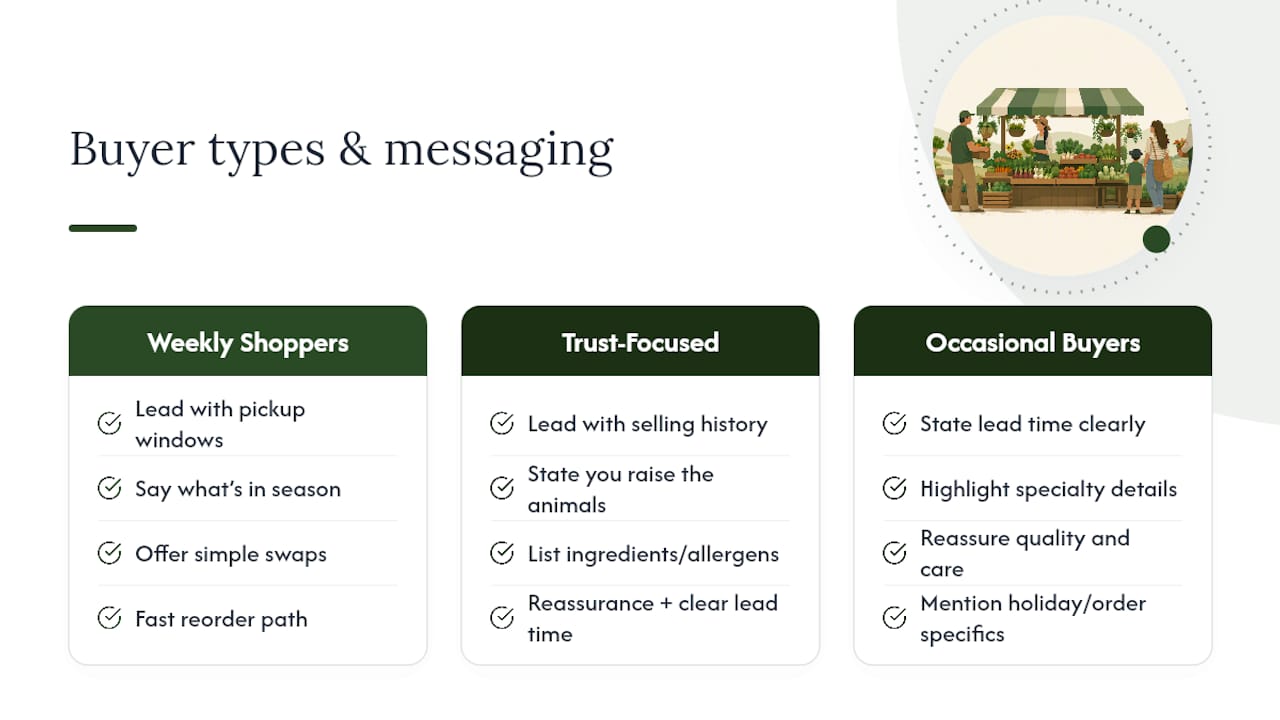
Branding decisions get easier once you know who's actually clicking "order." A young family shopping for weekly produce boxes wants convenience language: pickup windows, what's in season, simple swaps. A retiree buying eggs and honey from a neighbor wants trust language: how long you've been selling, whether you're the one who actually raises the hens.
Look at what people already ask you or comment on your listings. If every question is about allergens or ingredients, your headline should lead with that ("Nut-free sourdough, baked Tuesdays"). If every question is about pickup logistics, put your hours and location in the first line of your About section instead of burying them.
Local buyers also respond to hyper-local cues that a national brand can't fake. Naming your neighborhood, the specific market you sell at, or a local landmark near your pickup spot does more for recognition than a generic tagline. Pair that with a couple of local hashtags on social shares, your town name and your county's farm scene, so neighbors browsing those tags actually find your storefront.
Different buyer types shop at different speeds too. Weekly grocery replacers want a fast reorder path. Occasional specialty buyers (a birthday cake order, a holiday turkey) want reassurance and lead time stated clearly. Write your storefront copy for whichever group makes up most of your actual sales, not the one you wish you had.
What Makes Farm Stand Signage And Display Actually Work?
The same rules that make a roadside sign readable at 40 miles an hour apply to your storefront's visual layout, just compressed onto a phone screen. Clarity beats decoration every time.
Keep your storefront header simple: your name, what you sell, and one visual cue (a photo, not a cluttered graphic). A buyer scanning a map or category page decides in about two seconds whether to click, and a busy header loses that window.
Contrast matters more than color choice. Dark text on a light photo background reads fine on any phone screen; pale text on a busy image disappears. If your platform lets you choose an accent color for your storefront, pick one and use it consistently across your profile image, header, and any printed materials, rather than a different shade every season.
Hierarchy helps too. Your business name should be the biggest thing on the page, followed by your one-line headline, then your product categories. Buyers shouldn't have to hunt for what you actually sell.
Keep display language honest and specific, the same principle as good signage at a physical stand. "Sold out until Thursday" beats a vague "check back soon." Precision reads as competence, and competence is what gets a first order from someone who's never met you.
Should You Use Eco-Friendly Branding Materials?
If you ship or hand off physical goods, packaging choices are part of your brand whether you plan it that way or not. Compostable bags, recycled paper inserts, and kraft paper wraps signal the same values that draw people to local producers in the first place: lower waste, closer supply chains, less plastic.
You don't need to overhaul everything at once. Start with the item that touches every order, usually a bag or box, and swap that first. A simple kraft paper bag with a stamped logo costs little more than a plain plastic one and reads as more intentional the moment a buyer opens it.
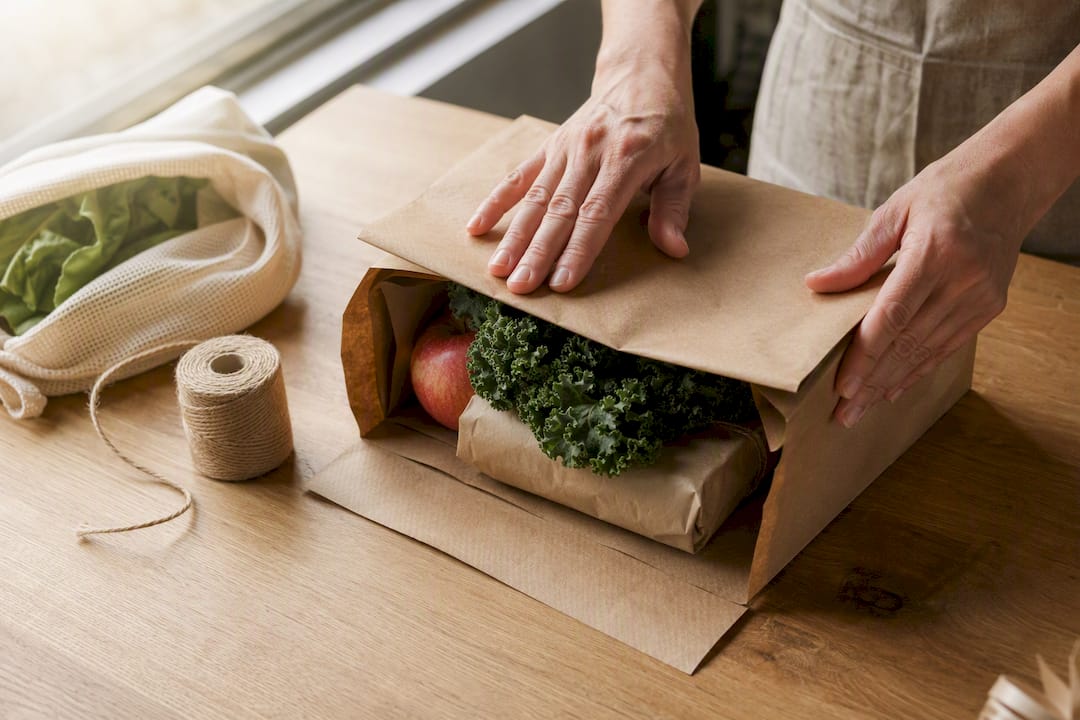
Printed inserts (the thank-you note and storage-tip card mentioned earlier) can double as your sustainability statement if you print them on recycled stock. Mention the material choice in one line on your About section too. "Packed in compostable bags" is a concrete detail buyers notice and remember, more than a general claim like "eco-conscious."
Keep the claim accurate. If your packaging is recyclable but not compostable, say recyclable. Overstating a material claim erodes the same trust you're trying to build, and local buyers tend to ask follow-up questions that a vague label can't survive.
How Do Seasonal Themes Strengthen Your Brand?
A storefront that looks the same in July and December misses one of the biggest advantages local sellers have over big retailers: you can actually change with the calendar, and buyers notice when you do.
Swap your header photo and headline copy at the start of each season. "Peak tomato season, picked this morning" in August reads completely differently than the same photo would in November. It costs nothing but a few minutes, and it signals that someone's actually running the storefront, not letting it sit static.
Seasonal language also does real work on titles and descriptions. "First strawberries of the season" or "Last of this year's honey harvest" creates urgency that a plain product name never will. Buyers who see a seasonal window tend to order sooner rather than saving it for later.
Local seasonal cues work even better than generic ones. Reference your actual growing zone's timing, a nearby harvest festival, or the specific weeks a crop runs in your area, rather than a national "fall harvest" theme that could apply anywhere. That specificity is exactly what separates a local producer's storefront from a big-box seasonal display, and it's worth leaning into hard.
How Do You Stand Out From Other Local Sellers?
Most local producers in the same category sell nearly identical products; the differentiation almost always comes from presentation and specificity, not the product itself.
Start with the detail competitors leave out. If three sellers near you list "fresh eggs," the one who states the breed, the feed, and the collection date wins the click. Specificity reads as expertise even when the underlying product is comparable.
Consistency, covered earlier, is itself a differentiator. A storefront with matching photos, a clear headline, and an updated About section stands out simply by looking maintained next to listings that clearly haven't been touched in months.
Your fulfillment details can differentiate you too. A stated pickup window, a same-day harvest promise, or a simple guarantee ("not happy, tell me and I'll fix it") separates a professional-feeling storefront from an anonymous one, even at the same price point.
Finally, don't compete on price if you can compete on story and specificity instead. A slightly higher price with a clear origin story and visible reviews usually beats a lower price with a blank About section and a stock photo.
How Should Customer Feedback Change Your Branding?
Reviews and buyer questions are the cheapest market research you'll ever get, and most producers let them sit unread instead of feeding them back into the storefront.
Read your reviews for repeated language, not just star ratings. If three buyers independently mention how fresh your greens taste, that word belongs in your headline. If several buyers ask the same question about pickup, that answer belongs in your About section, not just a reply buried in messages.
Negative feedback matters more here than praise does. A complaint about inconsistent pack sizes or missed harvest dates is telling you exactly where your listing copy is overselling reality. Fix the listing before you fix the product, if the gap is actually a description problem.
Revisit your storefront copy every season, not just when something breaks. Pull your most recent reviews, note any recurring phrase or complaint, and adjust one section (usually the About page or a listing description) based on what buyers are actually saying rather than what you assumed they'd care about.
Harvest Hub's Take: Why Consistent Branding Wins On A Local Marketplace
Verified profiles and real reviews solve the trust problem faster than any anonymous listing can. A buyer scrolling past a dozen storefronts trusts the one with a photo, a completed About section, and actual reviews attached to a real name over one with a placeholder image and zero history, every time.
Producer storefronts on Harvest Hub, including setups like Fruit Stand Farm Produce Stand and myFarmstand.com, show how far a clean photo style and a specific About section carry a small operation without any paid design work. If your own storefront still looks unfinished, the fastest fix is to open or update your farm stand and apply the checklist above this week.
— Sheldon
Put This Branding Playbook To Work On Harvest Hub
Harvest Hub gives you the storefront fields this whole playbook assumes you have: harvest date and storage-note fields on every listing, image uploads built for the crops described above, and a review and follower system that does your trust-building for you instead of leaving it to a generic About page. Verified producer profiles mean buyers see your track record before they ever message you.
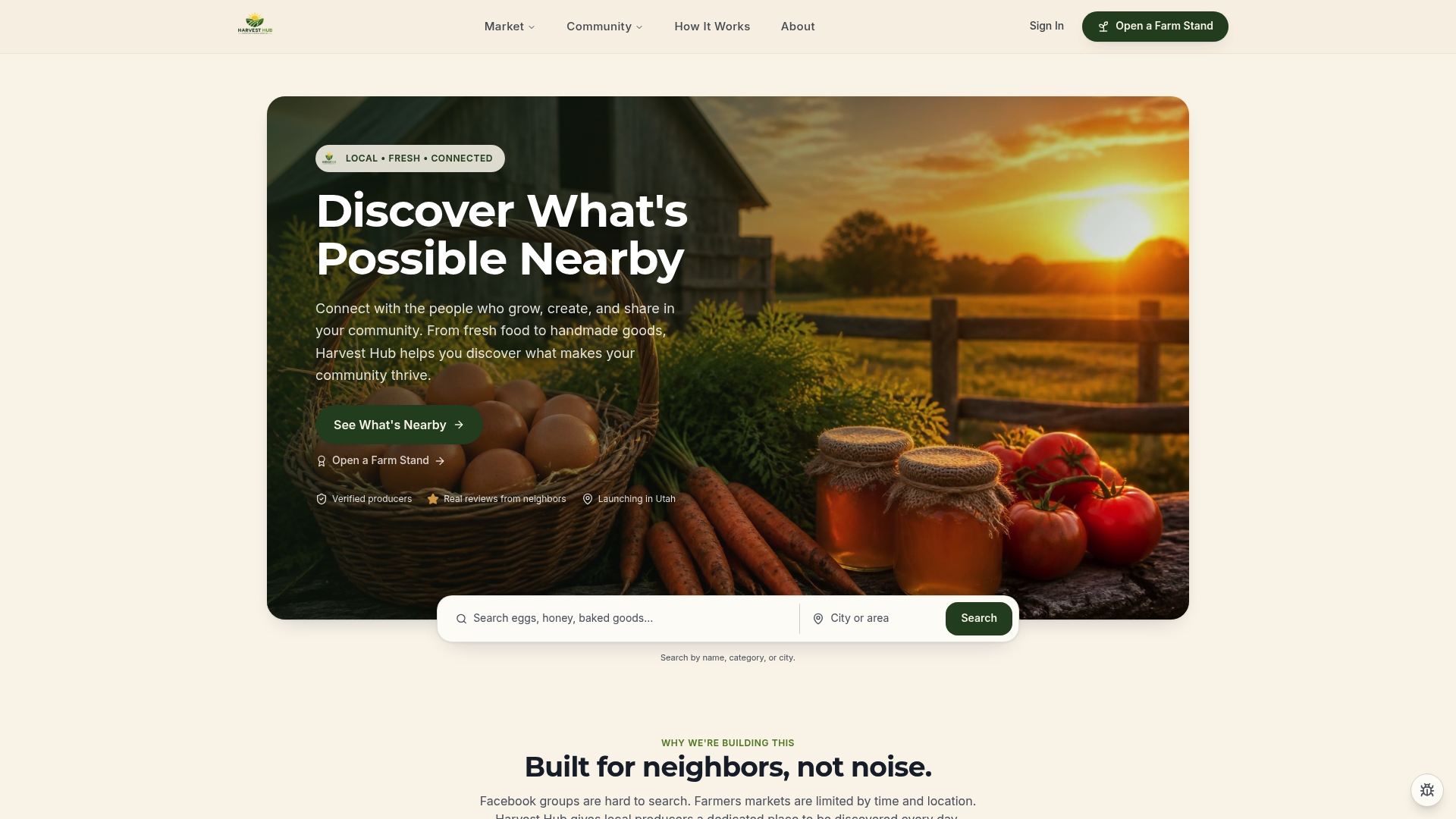
The platform offers premium visibility features as it grows, which can benefit producers who update listings often and want that consistency to actually get seen. If your storefront still runs on mismatched photos and a blank bio, open your farm stand and start applying the checklist section by section. You can have the name, headline, and hero photo updated before your next harvest goes live.