

Write product descriptions that convert by leading with one customer-focused benefit, then backing it up with scannable bullets, sensory detail, and the specs shoppers need to say yes. That's the whole formula. Everything else is execution.
Copy this checklist onto your next product page before you write a single word:
- Lead with the benefit, not the feature (what does the buyer get, not what does the product have)
- Add 3 scannable bullets: two benefits, one hard spec (size, weight, or material)
- Handle the objection your buyer is silently asking ("Will this actually taste fresh?" "Is this too small?")
- Include an SEO anchor: your main keyword in the first 50 words, naturally
- Close with a plain call to action: "Add to cart," "Reserve yours," or similar
According to Shopify's guidance on converting product copy, descriptions that lead with a benefit and pair it with scannable bullets and sensory detail consistently outperform feature dumps. That's not a stylistic preference. It's the difference between a page that sells and one that just describes.
Key Takeaways
Product descriptions convert when they lead with a specific benefit, prove it with sensory and factual detail, and remove the buyer's biggest doubt before they have to ask.
| Point | Details |
|---|---|
| Lead with benefit, not feature | Open with what the buyer gets, then support it with the feature that makes it true. |
| Use the FAB chain | Move from feature to advantage to benefit so the payoff lands last, where it's remembered. |
| Handle the top objection | Name the buyer's silent doubt and answer it directly inside the copy. |
| Keep food specs separate | List ingredients, allergens, net weight, and storage in a dedicated block, per FAO guidance. |
| Trust supports conversion | Harvesthub's verified profiles and templated listing fields make it easier to publish honest, benefit-led product pages. |
Table of Contents
- How Do You Write Product Descriptions That Convert?
- What's the Best Template for Writing Product Descriptions?
- Does Formatting Really Affect Mobile Conversions?
- How Do You Optimize Product Descriptions for SEO?
- What Must You Include in a Food Product Description?
- What Do Great Product Descriptions Look Like in Practice?
- Why Trustworthy Listings Convert Better on Local Marketplaces
- Writing Product Pages Is Faster When Your Platform Does Half the Work
- Frequently Asked Questions
- Sources
How Do You Write Product Descriptions That Convert?
Every high-converting product description runs on the same engine: feature, advantage, benefit. A feature is a fact ("stoneware, fired at 2,200 degrees"). An advantage is what that fact does ("holds heat twice as long as ceramic"). A benefit is what the buyer feels or gets ("your soup stays hot through a whole dinner conversation"). Skip straight to the benefit and buyers won't trust it. Stop at the feature and most buyers won't care. You need all three, in that order, and the benefit needs to land last because that's the part people actually remember.
Handling the dominant objection matters just as much as the pitch itself. If you sell raw honey, the silent question is usually "is this actually local, or relabeled?" If you sell a knife set, it's "will this dull in a month?" Name the doubt and answer it directly, inside the copy, before the buyer has to ask.
Sensory language does real work here too. Mailchimp's research on sensory language in marketing copy found that describing texture, aroma, and sound helps replace the experience a shopper would normally get by touching or tasting a product in person. One vivid sensory detail per paragraph is plenty. Stack three and the copy starts to read like a wine label parody.
Formatting carries its own weight:
- Short paragraphs (2 to 3 sentences max)
- One bolded phrase per section to anchor the eye
- Bullets for anything scannable, prose for anything emotional
Pro Tip: Read your draft out loud. If you run out of breath before the sentence ends, your buyer ran out of patience three words earlier.
What's the Best Template for Writing Product Descriptions?
Before you write anything, gather five things: who's buying this, their top objection, the hard specs, your target keyword, and one sensory detail that makes the product feel real. Skipping this step is why most product pages take three drafts instead of one.
Short-form template (50 to 75 words, ideal for grid listings and mobile):
- Headline (under 60 characters): benefit stated as a mini-ad, not a title
- First sentence (within the first 50 words): the core benefit plus your keyword, worked in naturally
- Three bullets: two benefits, one spec
- Closing line: objection handled in one sentence, then a CTA
Long-form template (150 to 300 words, ideal for standalone product pages or higher-ticket items):
- Hook paragraph: benefit-led opening, 2 to 3 sentences
- Bullet block: 4 to 5 benefit-led bullets in parallel structure
- Extended story: origin, process, or use case, 2 to 3 sentences
- Specs block: dimensions, ingredients, materials, shelf life
- CTA with a light urgency cue if genuinely true ("only 6 left this week")
ConversionStudio's analysis of high-converting layouts found this layered structure, hook, bullets, story, specs, works because it lets scanners and researchers both get what they need from the same page without either one feeling shortchanged.
Before you publish, run this QA pass:
- Does the first sentence contain a benefit and your keyword?
- Are all bullets parallel in structure (all start with a verb, or all start with a noun)?
- Is every spec accurate and current?
- Would a stranger understand what this product is without seeing the photo?
Does Formatting Really Affect Mobile Conversions?
Yes, and more than most sellers assume. On mobile, the first 60 characters of your title function as an ad headline. If they don't say what the buyer gets, most shoppers scroll past before the description ever loads. Google and AI tools also lean on the first 50 words for previews and summaries, so that opening sentence is doing double duty: hooking a human and feeding a machine.
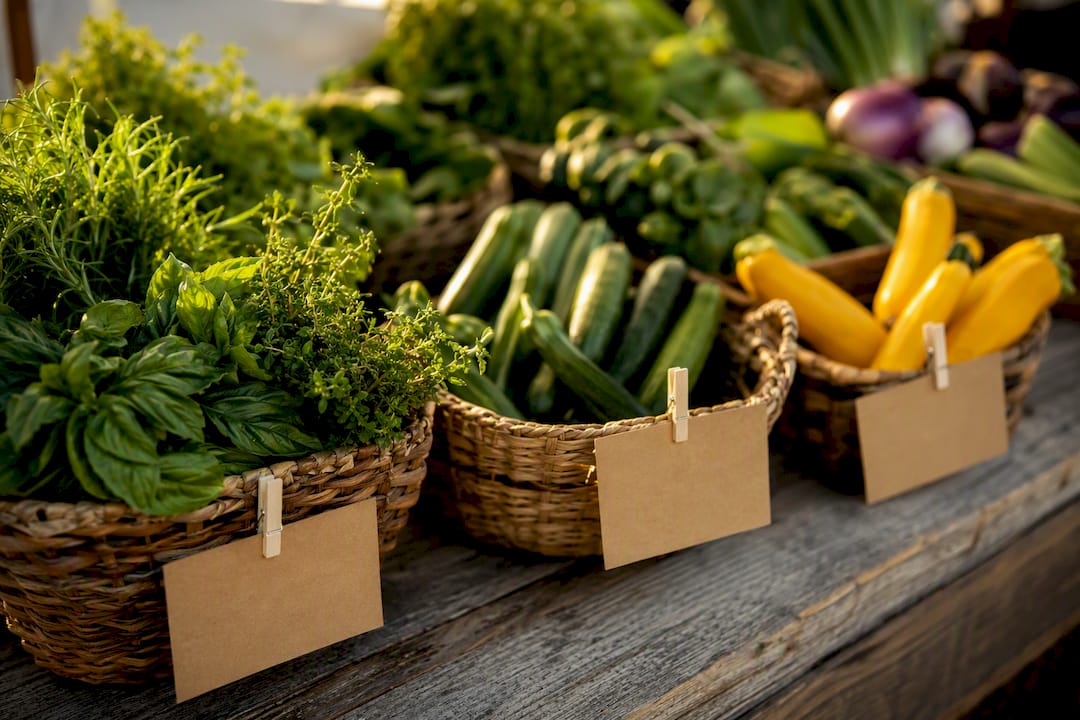
Use 3 to 5 bullets with parallel structure. If bullet one starts with a verb ("Keeps"), bullet two shouldn't switch to a noun phrase ("Durability of..."). Bold sparingly, one phrase per section at most. Push long spec lists into accordions or a collapsible details section rather than a wall of text up top. And skip wide tables entirely on mobile. A four-column comparison table that looks clean on desktop becomes an unreadable smear on a phone screen. Write image alt text that actually describes what's in the photo ("hand-painted ceramic mug, sage green, 12 oz") instead of stuffing it with keywords.
Pro Tip: Draft your description on your phone, not your laptop. Everything you'd trim for space is the same fluff your buyer skips anyway.
How Do You Optimize Product Descriptions for SEO?
Put your primary keyword in the title and somewhere in the first 50 words, phrased the way a real customer would search, not the way a spec sheet reads. That's the single highest-leverage move you can make, and it costs nothing.
Never publish manufacturer copy as-is. Scale Growth Digital's research on ecommerce SEO found that duplicate manufacturer descriptions actively hurt search rankings because search engines treat repeated copy across dozens of sellers as low-value content. Rewriting it in your own words, even lightly, is often enough to fix that.
Add structured data where your platform allows it. At minimum, fill in:
- Name: the exact product title
- Description: your unique copy, not boilerplate
- Price: kept current, always
- Availability: in stock, limited, or out
- Review rating: if you have verified reviews to attach
Write descriptive alt text on every image (skip "IMG_2381" and generic labels). Keep short-form copy for category and grid pages, and save the long-form version, with the extended story and full specs, for the standalone product page where search engines and buyers alike expect more depth.
What Must You Include in a Food Product Description?
Food listings carry legal and safety weight that lifestyle products don't. FAO's guidance on product description for food safety specifies that food descriptions should cover composition, processing method, shelf life, and storage conditions, both to protect the buyer and to keep you compliant.
Your specs block, separate from your marketing copy, needs to include:
- Full ingredient list and allergen callouts
- Net weight or quantity
- Shelf life and storage/handling instructions
- Provenance stated plainly (where and how it was made or grown)
The marketing copy around those facts is where sensory language earns its keep, and integrating features like recipe pairings can boost shopper engagement, as shown by this automated grocery list generator that works. A jar of jam sitting next to "strawberries, sugar, lemon juice, pectin" reads very differently next to "cooked down slow enough that the strawberries hold their shape, good on toast or stirred into plain yogurt." Mailchimp's sensory language research backs this: pairing suggestions and recipe ideas function as an implied sampling experience, doing the job a farmers market table would normally do in person.
Describe what the buyer can't taste yet: the snap of a fresh-picked pea pod, the way a sourdough crust crackles when it's still warm, the tang that hits before the sweetness does. That's the sentence that gets remembered.
Keep provenance honest. "Grown two miles from here" only belongs in the copy if it's true and verifiable, not just evocative.
What Do Great Product Descriptions Look Like in Practice?
Lifestyle product, short-form: "Soft enough to sleep in, sturdy enough for a Tuesday grocery run."
Technical product, long-form: Opens with the core benefit ("cuts prep time in half"), moves into three bullets covering blade material, motor wattage, and warranty, then closes with a two-sentence story about why the design changed from the previous model. Specs block lists dimensions and voltage last, where researchers look for them.
Food product, short-form: "Small-batch sourdough, baked Thursdays. Ingredients: flour, water, salt, wild starter. 1.5 lb loaf. Best enjoyed fresh. Freezes well." Follows the FindHomegrown six-part food template: hook, ingredients, size, storage, all in under 30 words.
Test one variable at a time: headline phrasing, bullet order, or CTA wording. Watch conversion rate specifically, not just clicks. A few phrasing options worth testing: "Only 3 left this batch," "Back in stock Friday," or a flat "Add to cart" with no urgency at all, since overused urgency starts to read as fake fast.
Why Trustworthy Listings Convert Better on Local Marketplaces
Verified profiles and honest product facts convert better than polish ever will, especially on a local marketplace where buyers can't sample before they buy. A shopper reading a Sweet Home Meats listing trusts the ingredient list because the seller is verified, not because the copy is clever. That trust is the actual product being sold on a platform like Harvesthub, and it's worth writing toward directly, not around.
Writing Product Pages Is Faster When Your Platform Does Half the Work
You don't need a copywriting agency to publish a product page that follows every rule in this guide. Harvesthub's seller tools build the structure in for you: dedicated ingredient and allergen fields, recipe and pairing sections, and listing templates that already prompt for the specs buyers expect, so you're filling in blanks instead of staring at an empty text box.
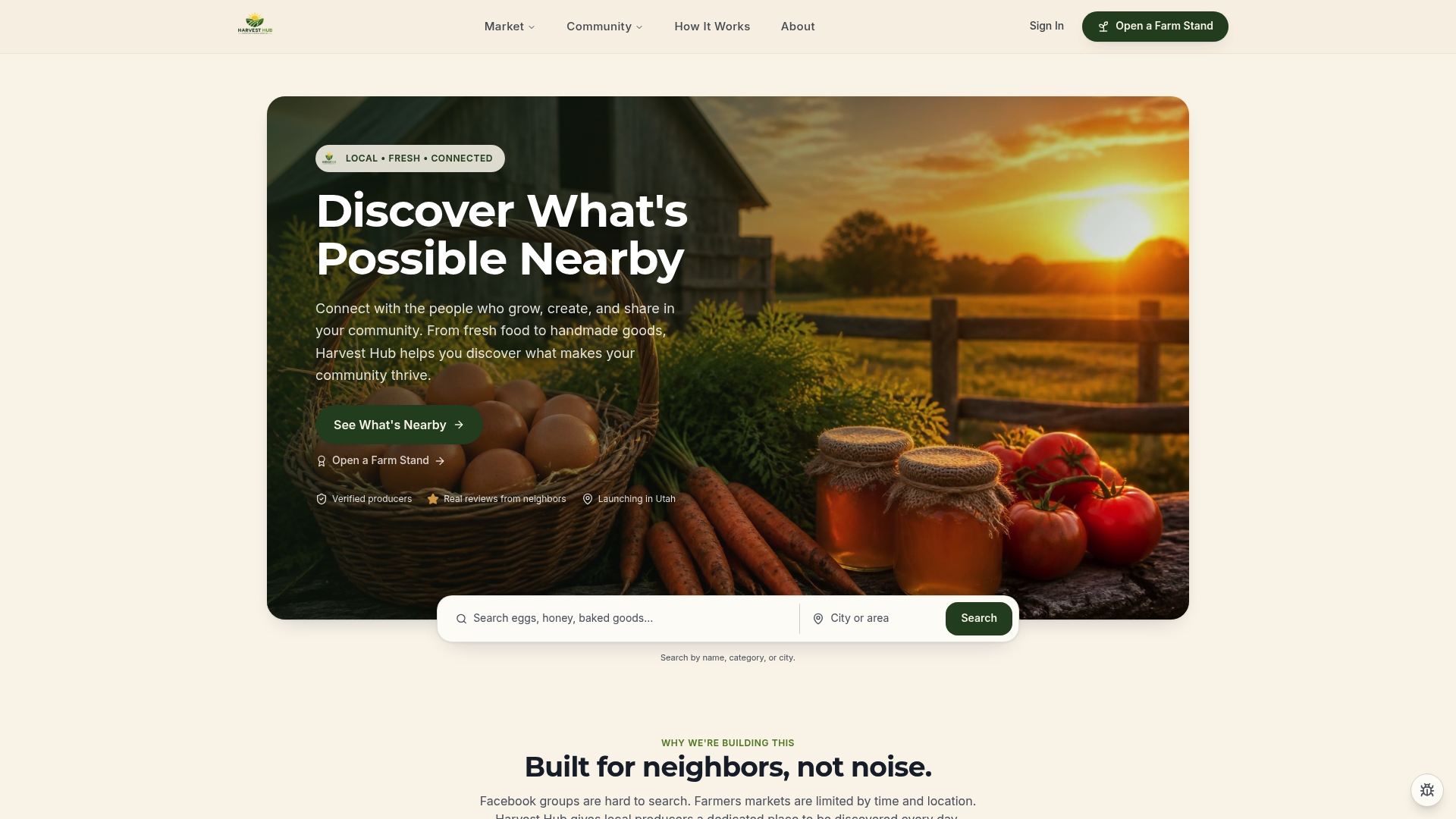
Verified seller profiles do more of the trust-building than any adjective you could write, which is part of why Harvest Hub's Trust Center exists as a standing feature, not an add-on. If you're ready to put these templates to work on your own farm stand, see how Harvest Hub works or go ahead and open a farm stand today.
Frequently Asked Questions
How long should a product description be? Short-form copy runs 50 to 75 words for grid or mobile listings. Long-form copy, used on standalone product pages, runs 150 to 300 words when the extended story and full specs are worth the space.
What's the biggest mistake sellers make when they write product descriptions? Leading with features instead of benefits. "Stainless steel, 12-inch blade" tells a buyer nothing until you translate it into what that means for them, like faster prep or a knife that won't dull after a month of daily use.
Should I use AI to write product descriptions? AI can produce a workable first draft fast, but it needs a human pass to add sensory specifics and brand voice, otherwise it reads generic. Treat it as a starting point, not a finished page.
Do product descriptions really affect SEO rankings? Yes. Unique, keyword-relevant copy tends to outrank duplicated manufacturer descriptions, and structured data like Product schema helps pages qualify for rich results in search.
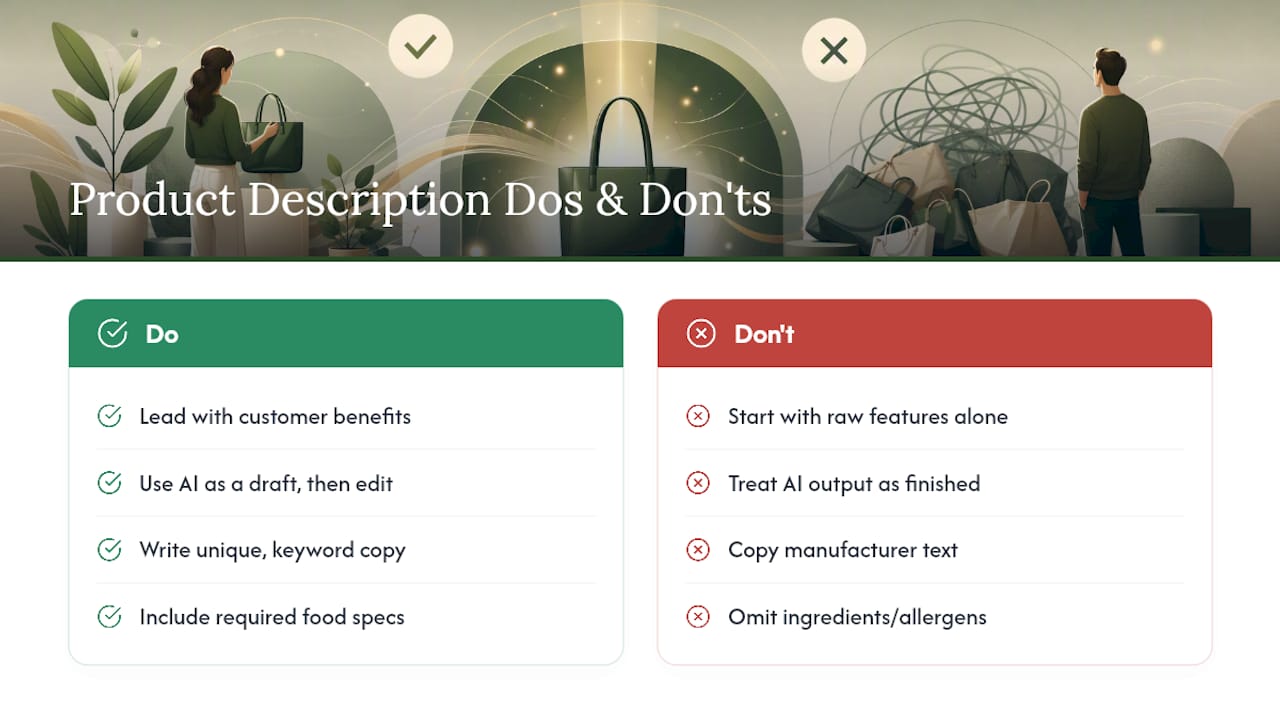
What has to be included in a food product description? Full ingredients, allergen warnings, net weight, shelf life, and storage instructions are non-negotiable specs. Everything else, story, sensory detail, serving suggestions, is where the persuasion happens.
Sources
- How to write product descriptions that sell (Shopify)
- How to write product descriptions that sell (Mailchimp / sensory language resource)
- What is product description writing? (ConversionStudio)
- How to write product descriptions that sell food online (FindHomegrown)