
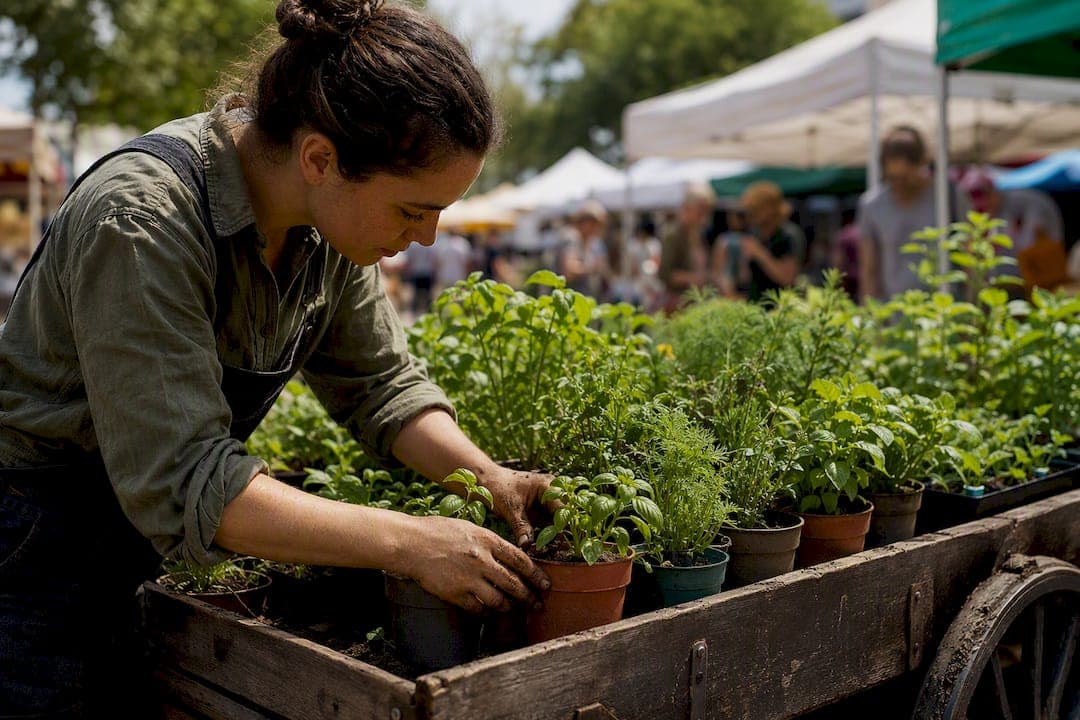
The fastest, lowest-risk way to sell plants locally is to photograph what's already thriving in your yard, list it for local pickup on a trusted marketplace, and pair that listing with one in-person outlet like a farmers market or neighborhood plant sale. Skip shipping entirely at first. Local pickup avoids the packaging headaches and breakage risk that trip up new sellers, and it lets you test what your neighbors actually want before you sink money into wholesale inventory.
For ongoing, scalable exposure, a dedicated local marketplace like Harvest Hub beats scattered social posts because buyers can search by category and map location, and your seller profile builds trust over repeat sales. One farmers market appearance is good for word of mouth, but a standing digital farm stand keeps selling while you sleep.
Your first weekend, do this:
- Take three clear photos of each plant (whole plant, close-up, pot size for scale)
- Price based on size and rarity, not guesswork
- Publish one listing with a specific pickup window
- Set clear pickup instructions (address area, time, payment method)
Key Takeaways
Selling plants locally works best when you combine a low-friction pickup listing with one in-person outlet, and scale that mix through a trusted marketplace as demand grows.
| Point | Details |
|---|---|
| Start with what you own | Test demand with cuttings and propagations before buying wholesale inventory. |
| Local pickup reduces risk | Skipping shipping avoids breakage and packaging headaches for new sellers. |
| Price using real ranges | Rooted cuttings run $5–$12, 6 inch plants often sell for $15–$35 depending on rarity. |
| Check licensing and pests | Many states require a nursery dealer license, and new stock needs a two-week pest check. |
| Harvest Hub adds ongoing reach | Verified profiles and map search help sellers turn one sale into a standing local farm stand. |
Table of Contents
- Your 48-72 Hour Checklist to Get Your First Local Listing Live
- Where to Sell Plants Locally: Comparing Your Channel Options
- What to Sell: Preparing Inventory Buyers Actually Want
- Pricing Plants: Formulas and Real Numbers to Start From
- Your Timeline: Planning 12 to 15 Weeks Before Peak Season
- Legal and Safety Checklist Before You Sell
- Writing Local Pickup Listings That Actually Convert
- Harvest Hub: List Once, Sell to Your Whole Neighborhood
- Sources
Your 48-72 Hour Checklist to Get Your First Local Listing Live
You don't need a greenhouse or a business plan to get your first plant sold this weekend. You need a short list of tasks done in the right order.
- Walk your yard or growing space and pick 5 to 10 plants that are healthy, established, and ready to leave home
- Photograph each one in natural light against a plain background
- Write a one-line description covering size, light needs, and watering habit
- Set a price using comparable local listings as your baseline
- Choose one pickup window (weekday evening or weekend morning tend to work best)
- Decide on payment: cash, Venmo, or a marketplace's built-in option
If you're adding an in-person component, your checklist looks a little different: reserve a table spot, print price tags, bring a cash box, and have a sign with your plant names visible from a few feet away.
Pro Tip: Buyers flake. Build a 30-minute grace period into every pickup window and text a reminder the morning of, and you'll cut no-shows dramatically.
Where to Sell Plants Locally: Comparing Your Channel Options
Selling locally isn't one decision, it's a mix of channels, and the right combination depends on how much inventory you have and how much setup time you're willing to trade for reach.
In-person channels include farmers markets, pop-up stands, plant swaps, and community or garden-club plant sales. Online local channels include dedicated marketplace listings, neighborhood buy/sell social groups, and local classifieds. Each has a different cost structure and a different kind of buyer.
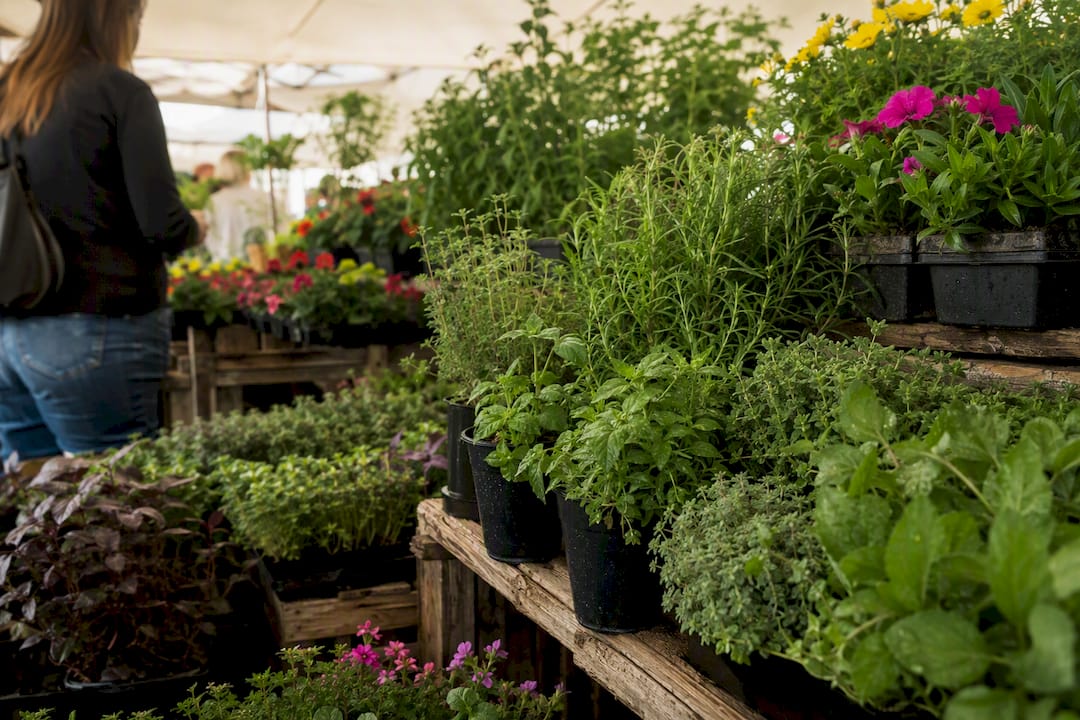
Farmers markets reward volume sellers. Vendors selling seedling trays commonly earn $150 to $200 per tray at markets during peak spring demand, but you're paying a booth fee and hauling stock every week. Community plant sales run by Master Gardener groups or native plant societies tend to draw serious, knowledgeable buyers, and many operate on a pre-order and scheduled pickup model that all but eliminates unsold inventory risk. Online local listings work best for one-off sales of extra divisions or overflow propagations, where you want zero setup cost and don't need weekly foot traffic.
| Channel | Best for | Ease of setup | Audience reach | Fees / cost | Safety & transactions | Seasonality |
|---|---|---|---|---|---|---|
| Farmers market | Bulk/volume sellers | Moderate (booth, permits) | High, recurring foot traffic | Booth fee, possible license | Cash box, in-person exchange | Peaks April–May |
| Community/club plant sale | Collectors, native plant buyers | Low (join existing event) | Moderate, targeted audience | Often free or donation-based | Organized, pre-order pickup | Spring and fall |
| Pop-up/yard sale | Quick, casual sales | Low | Local foot traffic only | Minimal | Cash, in-person | Weekend dependent |
| Online local marketplace | Ongoing, scalable sales | Low (list once, sell repeatedly) | Widest local reach via map search | Free or subscription for pro tools | Contactless pickup, verified profiles | Year-round |
Whichever channels you use, build trust signals into every one: sharp photos, a verified profile where the platform offers it, printed or digital receipts, and an honest note that you've checked plants for pests before handing them over.
What to Sell: Preparing Inventory Buyers Actually Want
Not every plant in your yard is worth selling, and not every plant sells for the same price. Local buyers gravitate toward a specific mix: easy propagations like pothos and succulents, starter vegetable and herb seedlings, perennial divisions, and native plants suited to the local climate. Seasonal timing matters here too. Indoor plants and succulents sell fairly consistently year-round, while vegetable starts and native perennials cluster hard around spring.
Presentation is where a lot of sellers leave money on the table. A leggy pothos in a cracked plastic nursery pot might be perfectly healthy, but it looks like a discount item. Clean the pot, trim off yellowed or dead leaves, top-dress the soil, and when it makes sense, repot into something nicer than the plastic it came in. Buyers pay more for something that already looks like it belongs on their windowsill, not something they have to rehabilitate first.
A simple label does a lot of trust-building work. Include:
- Plant name (common name is fine, scientific name is a bonus)
- Light needs (low, medium, bright indirect, full sun)
- Watering frequency or a one-line care tip
- Pot size
- Price
Before anything goes up for sale, quarantine new stock and inspect it closely, especially anything that's spent time outdoors. Japanese beetles and similar regional pests are common enough that a quick visual check under bright light, ideally over a two-week observation window, catches most problems before a buyer ever sees them.
Pro Tip: Add a line to your listing like "observed pest-free for two weeks" — it's a small detail that reassures nervous buyers and separates you from someone dumping random cuttings on a folding table.
Pricing Plants: Formulas and Real Numbers to Start From
Price like a business, even if you're selling from your porch. The basic formula is cost-to-produce multiplied by your desired margin, but most beginners skip the math and price off what similar local listings charge. Both work. Combining them works better.
Rough retail ranges to anchor against: rooted cuttings typically run $5 to $12 depending on the plant, 4 inch potted starts land around $6 to $15, and 6 inch established plants often sell for $15 to $35. Rare or specialty species, and native plants with strong local demand, can command significantly more, especially at a club sale where buyers already know what they're looking for.
Bundling moves inventory faster than pricing plant by plant. A "3 cuttings for $15" deal, a mixed succulent tray, or tiered vegetable seedling flats all encourage buyers to spend more per visit than they'd planned. Seedling vendors who start a season with 200 to 400 plants on a single shelving unit generate enough volume to make tray pricing worthwhile without overextending a small growing operation.
- Cost-to-produce × margin sets your floor
- Comparable local listings set your ceiling
- Scarcity and quality push prices above both
Pro Tip: Collectors will pay a premium for a rare variegation or an unusual cultivar, but impulse buyers respond to round numbers and bundles. Price the same species two ways depending on which crowd you're selling to.
Supplies and Setup for Smooth Local Sales
A little preparation prevents most day-of chaos. For in-person sales, bring a folding table, tiered shelving to display more plants in less space, printed tags, a permanent marker for last-minute price changes, a cash tray, and a card reader if you can swing one. Water spray and a roll of tape solve more small problems than you'd expect.
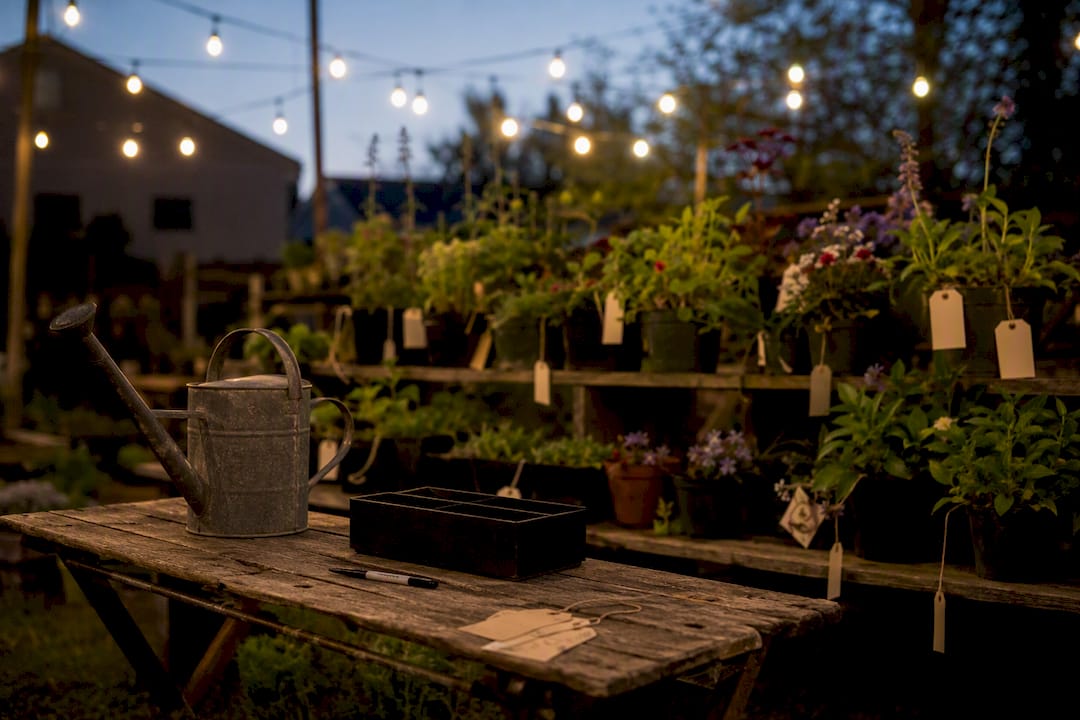
For pickup-only sales, focus on safe transport: boxes or trays that keep pots upright, newspaper or paper towel to wick excess moisture, and a note reminding buyers to keep plants out of direct sun on the ride home.
Quick equipment checklist:
- Folding table and shelving
- Tags, labels, and a permanent marker
- Cash tray plus a card/digital payment option
- Water spray bottle and tape
- Sturdy boxes or trays for transport
Your Timeline: Planning 12 to 15 Weeks Before Peak Season
Spring drives most local plant demand, so working backward from that window keeps you from scrambling in April. Late April through May tends to be peak buying season in most U.S. climates, with succulents and indoor plants selling more steadily year-round than seasonal outdoor stock.
- 12 to 15 weeks out: start propagations and seed vegetable starts for spring demand
- 6 to 8 weeks out: ramp up rooted stock, pot up divisions, check growth rates
- 4 to 6 weeks out: begin photographing healthy plants and drafting prices
- 1 to 3 weeks out: publish listings, schedule any market or event appearances, start promoting
- Day before: finalize staging, print an inventory list, confirm pickup times or booth logistics
A few things that trip up first-timers on this timeline:
- Starting propagations too late means thin, unsellable stock right when demand peaks
- Photographing plants weeks before they're ready to sell means outdated listings
- Skipping a written inventory list makes it easy to lose track of what's already sold
Build in slack. Plants grow on their own schedule, not yours, and a two-week buffer before your target sale date covers slower rooting or an unexpected cold snap.
Legal and Safety Checklist Before You Sell
Selling a few extra houseplants to a neighbor rarely triggers red tape. Selling regularly, especially at farmers markets or craft fairs, often does. Many states require a nursery dealer or plant seller license for regular vendors, with fees commonly ranging from about $5 to $100 a year depending on the state and sales volume. Craft fair organizers frequently ask for the same, since event permits and nursery licenses go hand in hand at most vendor markets.
If you're selling occasionally from home, check your state Department of Agriculture's website before assuming you're exempt. Rules vary enough by state that a quick search saves you a fine later.
Quarantine new stock for at least two weeks and inspect closely for pests before it goes anywhere near a sale table. Regional threats like Japanese beetles are well documented by university extension programs, and catching an infestation before a buyer does protects your reputation as much as their garden.
For safety at in-person meetups, pick a public, well-lit pickup spot, favor contactless payment where you can, and keep a simple log of who bought what and when. It's not paranoia, it's the same due diligence any small business does.
- Check your state's nursery/plant dealer licensing requirements
- Quarantine and inspect all new stock for two weeks
- Meet buyers in public locations with contactless payment when possible
- Document each transaction, even informally
Writing Local Pickup Listings That Actually Convert
A good listing does the selling before you ever talk to a buyer. Use this structure: a headline with plant name and size, a three-sentence description covering condition, care needs, and pickup logistics, then price, pickup window, and any seller verification info the platform offers.
Photos make or break a plant listing. Include a full-plant shot, a close-up of the foliage, a shot that shows the pot for scale, and if you're selling a division or rooted cutting, a peek at the root system. Keep the background consistent across your listings so your farm stand or profile looks put together rather than thrown up in a hurry.
This is exactly where a dedicated local marketplace earns its keep over a generic classifieds post. A platform like Harvest Hub adds verified seller profiles, real reviews, and map-based category browsing, so buyers searching "plants near me" find your listing instead of scrolling past it in a crowded feed. Compare that to a general buy/sell app like Marketplace, which reaches a broad audience but doesn't specialize in local food and plant sellers or build the same kind of neighbor-to-neighbor trust.
For logistics, write pickup instructions the way you'd want to receive them: rough address area, exact time window, what payment you accept, and a line like "text on arrival" to avoid awkward doorstep waits.
Pro Tip: List the pot size and rough weight in your description. It sounds minor, but it stops buyers from showing up without a way to carry a 12 inch snake plant home.
Sale Day and Turning Buyers Into Repeat Customers
Arrive early enough to set up without rushing. Get signage visible from a distance, arrange plants by category or price so buyers can browse quickly, and keep a running inventory sheet so you know exactly what's sold by lunchtime. Have a weather backup plan, a tarp or a shaded spot, since a sudden downpour shouldn't end your sale early.
The sale itself is only half the job. Following up is what builds a customer base instead of a string of one-off transactions.
- Send a quick care tip a few days after pickup, especially for less common plants
- Ask happy buyers to leave a review or follow your profile on your marketplace of choice
- Offer a pre-order list for next season's popular varieties
- Keep a simple sales log with buyer notes for repeat customers
A buyer who gets a helpful follow-up message is far more likely to check your listings again next spring than one who never hears from you after handing over cash.
Common Mistakes That Cost Beginners Sales
Most beginner mistakes are fixable in five minutes. Under-photographed listings, missing pickup instructions, skipped pest checks, and prices that are either a race to the bottom or wildly optimistic all quietly kill sales before a buyer even reaches out. Forgetting signage or change at an in-person sale does the same thing on-site.
- Add at least three photos to every listing, no exceptions
- State your pickup window and location details up front, not after someone messages you
Pro Tip: Two fixes pay for themselves every time: honest pest disclosures and clear pickup logistics. Both build the kind of trust that turns a stranger into a repeat buyer.
Why Local Plant Selling Builds Real Community Trust
Buying a plant from a stranger's yard sale used to require a leap of faith. What's changed is that verified profiles and honest reviews now do the trust-building that used to take years of neighborhood reputation. Harvest Hub's role in that shift isn't to replace the farmers market or the plant swap, it's to give those relationships a place to keep going after the table gets packed up.
The sellers who do well locally aren't the ones with the rarest plants. They're the ones who photograph honestly, price fairly, and follow up. That's not a platform feature, it's just good practice that a good platform makes easier to repeat.
Harvest Hub: List Once, Sell to Your Whole Neighborhood
A farmers market booth sells for a few hours a week. A yard sale sells for an afternoon. A digital farm stand on Harvest Hub keeps working every day in between, without you standing behind a table.
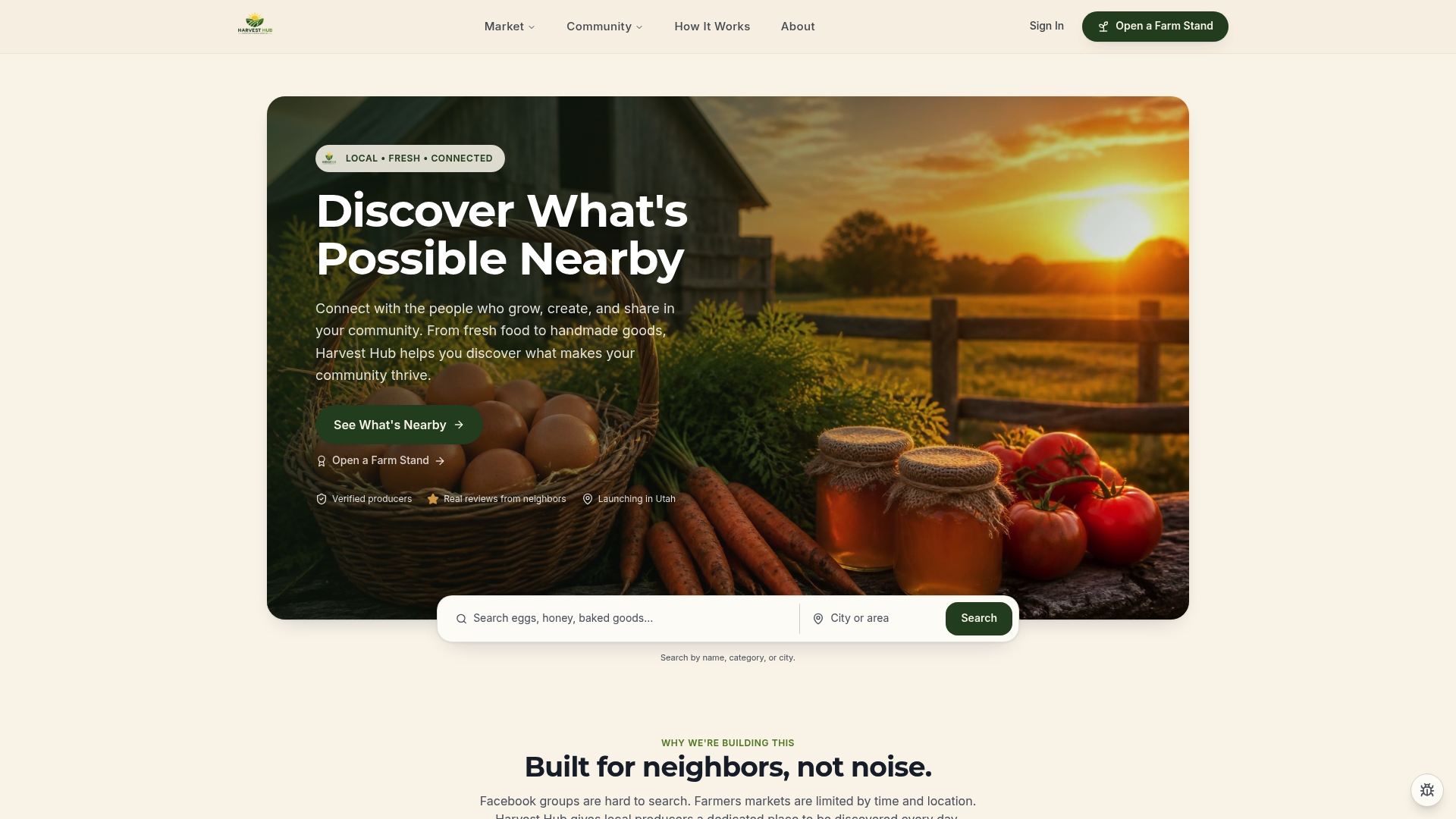
Three things make it worth setting up: verified seller profiles that give buyers confidence before they ever message you, map-based search and category browsing so local buyers actually find your plants instead of scrolling past them, and event and listing tools that let you post inventory once instead of re-listing across five different apps. Producer pages like FarmBox SF show how a seller can organize a full range of local inventory, plants included, under one trusted profile.
If you're ready to stop juggling social posts and yard sale signs, open a farm stand and get your first listing live today.
Sources
For licensing questions, check your state Department of Agriculture's nursery dealer program directly. For pest identification, university extension pages like Minnesota's on Japanese beetles offer reliable, regionally specific guidance. Master Gardener groups, such as the Ramsey County plant sale, publish seasonal event dates worth watching for both selling and sourcing stock. For pre-order and pickup event models, see how native plant sales structure logistics. When you're ready to list, Harvest Hub is the landing page to start from.
- How to Sell Plants Online in 2026
- How to Sell Plants and Seedlings at Farmers Markets
- How to Sell Plants at Craft Fairs: The Complete Guide for Plant Vendors in 2026 | TheCraftMap
- Extension
- California Native Plant Sales