
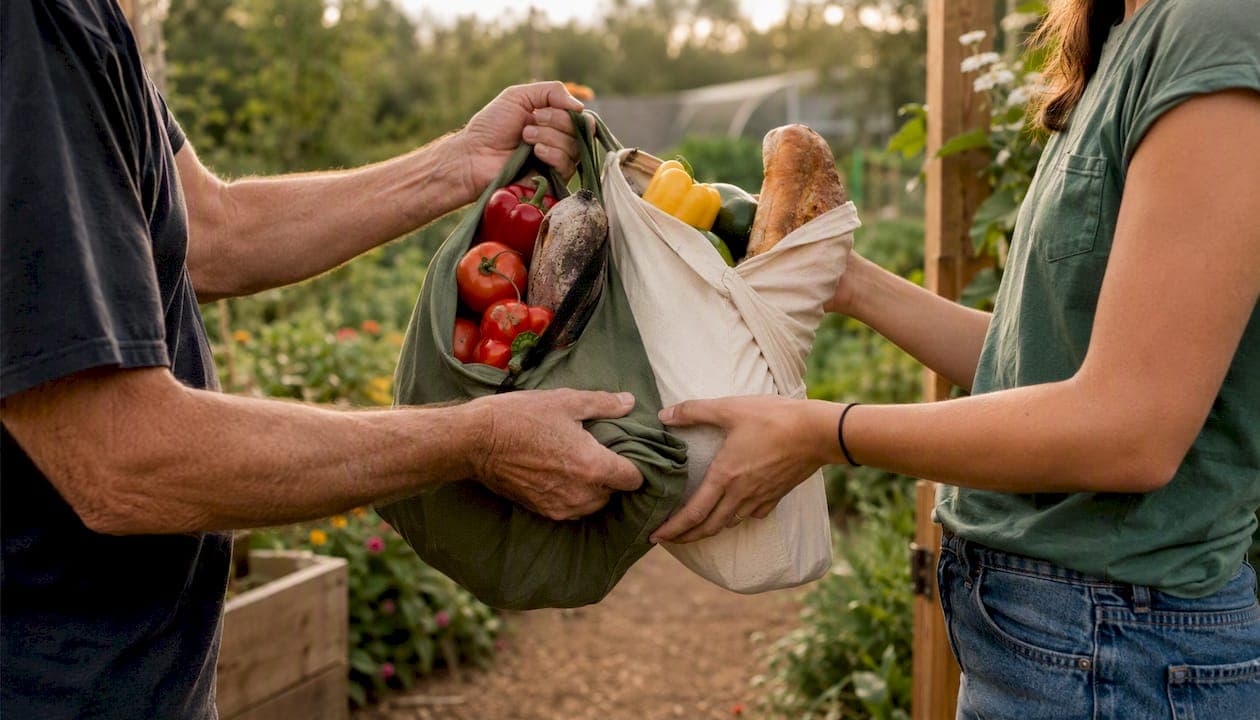
Pickup means you or a designated local buyer collects an order in person. Delivery means the seller or a courier brings it to you. The decision rule is simple: choose pickup when cost and product quality matter most, choose delivery when convenience and time savings matter most. A state cottage-food rule can even force the choice for you, since some producers are legally required to hand off goods in person rather than ship them. On Harvesthub, where neighbors buy fresh eggs, garden starts, and baked goods directly from local producers, pickup is often the default for exactly this reason.
- Pickup wins when: the order is small, the item is fragile or perishable, or you want direct control over handoff and quality.
- Delivery wins when: the weather is bad, the order is large, you're short on time, or convenience outweighs the added delivery fees.
The rest of this guide breaks down costs, speed, business setup, and the legal quirks that affect small food producers deciding between the two.
Key Takeaways
Pickup usually costs less and preserves quality better for small or perishable orders, while delivery earns its fee back through convenience on larger orders or bad-weather days.
| Point | Details |
|---|---|
| Cost favors pickup | Small orders rarely justify delivery fees, service charges, and tips. |
| Delivery favors convenience | Bad weather, large orders, and time pressure make delivery fees worth paying. |
| Perishables need care | Pickup shortens the time from source to buyer, which protects fragile or perishable goods. |
| Cottage-food laws vary | Some states, like Florida and Texas, require person-to-person delivery instead of shipping. |
| Harvesthub simplifies pickup | Producers can set pickup schedules and verified handoffs directly through their digital farm stand. |
Table of Contents
- Pickup vs Delivery: What Each Term Actually Means
- What Types of Pickup and Delivery Should You Know?
- Pickup vs Delivery: Comparing the Trade-Offs
- What Do Pickup and Delivery Actually Cost?
- How Fast and Reliable Is Each Option?
- How Should Small Businesses Offer Pickup and Delivery Well?
- What Legal Rules Affect Pickup and Delivery for Food Producers?
- Which Should You Choose: Pickup or Delivery?
- Set Up Pickup for Your Farm Stand on Harvesthub
- Sources
Pickup vs Delivery: What Each Term Actually Means
Pickup is when the buyer, or someone acting on the buyer's behalf, travels to a location to collect an order. Delivery is when the seller or a third party transports the order to the buyer's address. Both sound obvious until you look at how many variations exist under each label.
In restaurants, pickup shows up as carryout, curbside pickup, or "buy online, pick up in store" (BOPIS). Grocery pickup usually means a staff member loads your order into your trunk at a designated spot. Package delivery covers everything from a national carrier dropping a box on your porch to a gig-economy driver bringing a hot meal to your door. Local courier delivery, often run by the business itself rather than a marketplace app, sits somewhere in between.
- Curbside pickup and in-store pickup both count as "pickup" but differ in how much walking and waiting is involved.
- BOPIS is really just pickup with an online order attached to it.
- "Delivery" can mean a 20-minute food run or a two-day parcel shipment. Context matters more than the word itself.
Pro Tip: When comparing pickup vs delivery on an ordering app, check whether a discount or promo code applies to one option and not the other. Some deals are pickup-only to reduce delivery costs for the business.
What Types of Pickup and Delivery Should You Know?
Not all pickup is the same, and not all delivery runs the same way. Knowing the variety helps you pick the right one for the job.
Common pickup types include:
- In-store pickup — you walk in and grab your order at a counter. Works well for baked goods and small farm items.
- Curbside pickup — staff bring the order to your car. Good for groceries or bulky items you don't want to carry.
- BOPIS — order online, pick up in person, often within the hour. Common for retail and grocery.
- Scheduled pickup — you reserve a specific window, useful for CSA boxes or farm shares.
- U-pick — you harvest the product yourself, a model some small farms on Harvesthub use for produce like berries and pumpkins.
Common delivery types include:
- Carrier delivery — USPS, UPS, or similar, best for shelf-stable packaged goods.
- Local courier — a business-run driver handling short-distance drop-offs, common for meal kits or farm boxes.
- Marketplace-managed delivery — a platform coordinates the driver and route.
- Third-party food delivery — apps that dispatch independent drivers for restaurant orders.
- Scheduled courier — a set delivery window, often used for perishables that need a narrow arrival time.
Pickup vs Delivery: Comparing the Trade-Offs
Here's how the two options stack up across the factors that actually change the outcome for you.
| Dimension | Pickup | Delivery |
|---|---|---|
| Cost | No delivery or service fees; you cover your own travel. | Delivery fees, service charges, and tips add up fast. |
| Speed | Fast if you order ahead; slower if you wait in line. | Depends on driver availability and routing; can be quick or unpredictable. |
| Convenience | Requires your time and a trip. | No travel needed, but you're at the mercy of someone else's schedule. |
| Control & security | You verify the order and its condition on the spot. | Risk of porch theft, wrong items, or damage in transit. |
| Perishables & fragile items | Shorter time from source to hand, better for delicate goods. | Riskier unless packaging and travel time are managed well. |
| Business complexity | Simpler: no drivers, no delivery software needed. | Requires staffing, packaging, routing, and often third-party fees. |
Three takeaways stand out:
- For small orders, pickup almost always costs less out of pocket.
- For perishables and fragile goods, pickup usually preserves quality better than a long delivery run.
- For businesses, delivery adds real operational weight: staffing, packaging, and software that pickup simply doesn't need.
What Do Pickup and Delivery Actually Cost?
The advertised item price is rarely the whole story. Delivery orders stack fees: a delivery charge, a service fee, sometimes a small-order surcharge, plus tax and tip. Pickup swaps those fees for your own time, fuel, and parking, which are real costs but ones you control.
Take a single small order, say one baked good from a local seller. Delivery fees and a tip can easily double the item's price. Now take a family-sized order, like a mixed box of produce and eggs. The same delivery fee gets spread across more items, so the added cost per item shrinks and delivery starts looking more reasonable.
| Cost factor | Pickup | Delivery |
|---|---|---|
| Delivery/service fees | None | Common, often a fixed or percentage-based charge |
| Tip expectation | Rarely expected | Often standard |
| Travel cost | Fuel, parking, your time | None |
| Business packaging cost | Minimal | Higher, needs to survive transit |
- Compare the final total, not just the sticker price, before deciding.
- Larger orders dilute delivery fees; small orders make pickup the clear value.
- On the business side, packaging for transit and either driver wages or third-party commissions cut into margins that pickup avoids entirely.
How Fast and Reliable Is Each Option?
Pickup removes an entire layer of uncertainty: there's no driver to assign, no route to calculate, no traffic to hit. That eliminates a major source of last-mile variability. The trade-off is that you might wait in a line or arrive before your order is ready.
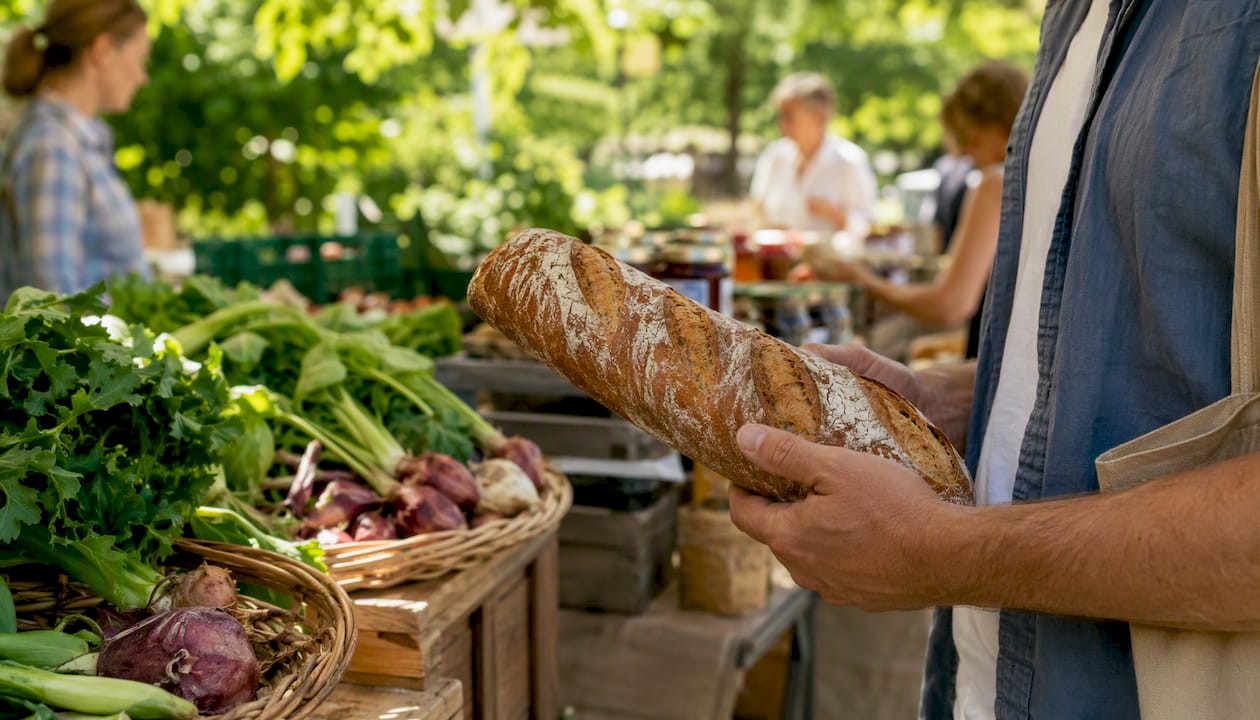
Delivery timing depends on factors outside your control: driver availability, how many other stops are on the route, and whether your building or entrance is easy to find. Porch theft and misdelivery are real risks too.
A few practical fixes on each side:
- For delivery: use tracking, choose narrow delivery windows, and leave clear drop-off instructions.
- For pickup: order ahead, use scheduled pickup windows, and confirm readiness before you leave.
How Should Small Businesses Offer Pickup and Delivery Well?
Running both channels well takes planning, not just flipping a switch in your ordering software — businesses can find expert manufacturing & operations support to optimize pickup and delivery processes.
- Set clear pickup windows and communicate them up front.
- Designate a specific pickup spot, so buyers aren't guessing where to go.
- Label every order clearly with the buyer's name and order details.
- Staff for handoffs during peak pickup times, especially at farmers markets or farm stand hours.
- Test your packaging before offering delivery, particularly for anything perishable or fragile.
On the delivery side, define delivery zones so you're not driving an hour for one order, set a minimum order size to make each trip worthwhile, and use order management software to keep pickup and delivery requests from colliding. Tell customers exactly what to expect, including timing and any extra fees.
Pro Tip: If delivery is eating your margins, use pickup-only discounts or bundle deals to nudge buyers toward the cheaper channel for you, without ever making delivery feel like a worse deal.
Producers listing on Harvesthub can set up pickup scheduling directly on their digital farm stand, which cuts a lot of this coordination down to a few clicks.
What Legal Rules Affect Pickup and Delivery for Food Producers?
Cottage-food laws vary by state, and they don't just regulate what you can bake or grow. They often dictate how you're allowed to get it to a buyer.
Florida's cottage-food rules allow operators to sell through their own website but require person-to-person delivery for certain sales, and wholesale distribution is off the table entirely. Texas guidance goes further: products bought online or by mail order must be hand-delivered by the operator and cannot be shipped in that transaction.
A cottage-food sale made online doesn't automatically mean the product can be mailed. In several states, the law still requires the seller to hand the item to the buyer directly.
If your state requires hand-delivery, shipping isn't an option regardless of how convenient it would be. That means building your business around pickup or local, person-to-person delivery from the start.
- Check your specific state's cottage-food page before offering shipping.
- Person-to-person delivery rules often apply even to online or phone orders.
- Wholesale and retail shipment restrictions can differ from direct-to-consumer rules.
Which Should You Choose: Pickup or Delivery?
Three quick questions settle most pickup vs delivery decisions before you even open the app.
- How far and how urgent is this? If the source is nearby and you have time, pickup usually wins. If it's far or you're pressed for time, delivery makes more sense.
- How big is the order, and what do the fees look like? Small orders rarely justify delivery fees. Large orders dilute those fees enough that delivery can be the better value.
- Does the product travel well? Fragile, perishable, or heat-sensitive goods often arrive in better shape via pickup. Sturdy, well-packaged items handle delivery fine.
A single order of fries from a spot five minutes away: pickup, every time. A family pizza order for six people during a storm: delivery, even with the fee. When in doubt, do a quick price-and-time check in your ordering app before you commit.
Why We Emphasize Local Pickup and Verified Profiles
Connecting local producers and buyers has shown us that pickup often preserves quality better than any shipping method can, especially for eggs, produce, and baked goods. Verified profiles and real reviews give buyers confidence in who they're meeting for a handoff, which matters more in person than it does with an anonymous delivery driver. If you're a producer weighing pickup channels, the promo section below covers how to set one up.
Set Up Pickup for Your Farm Stand on Harvesthub
Harvesthub gives local producers a way to run pickup without the overhead a delivery-dependent business model demands. No delivery drivers to manage, no third-party commissions cutting into your margin.
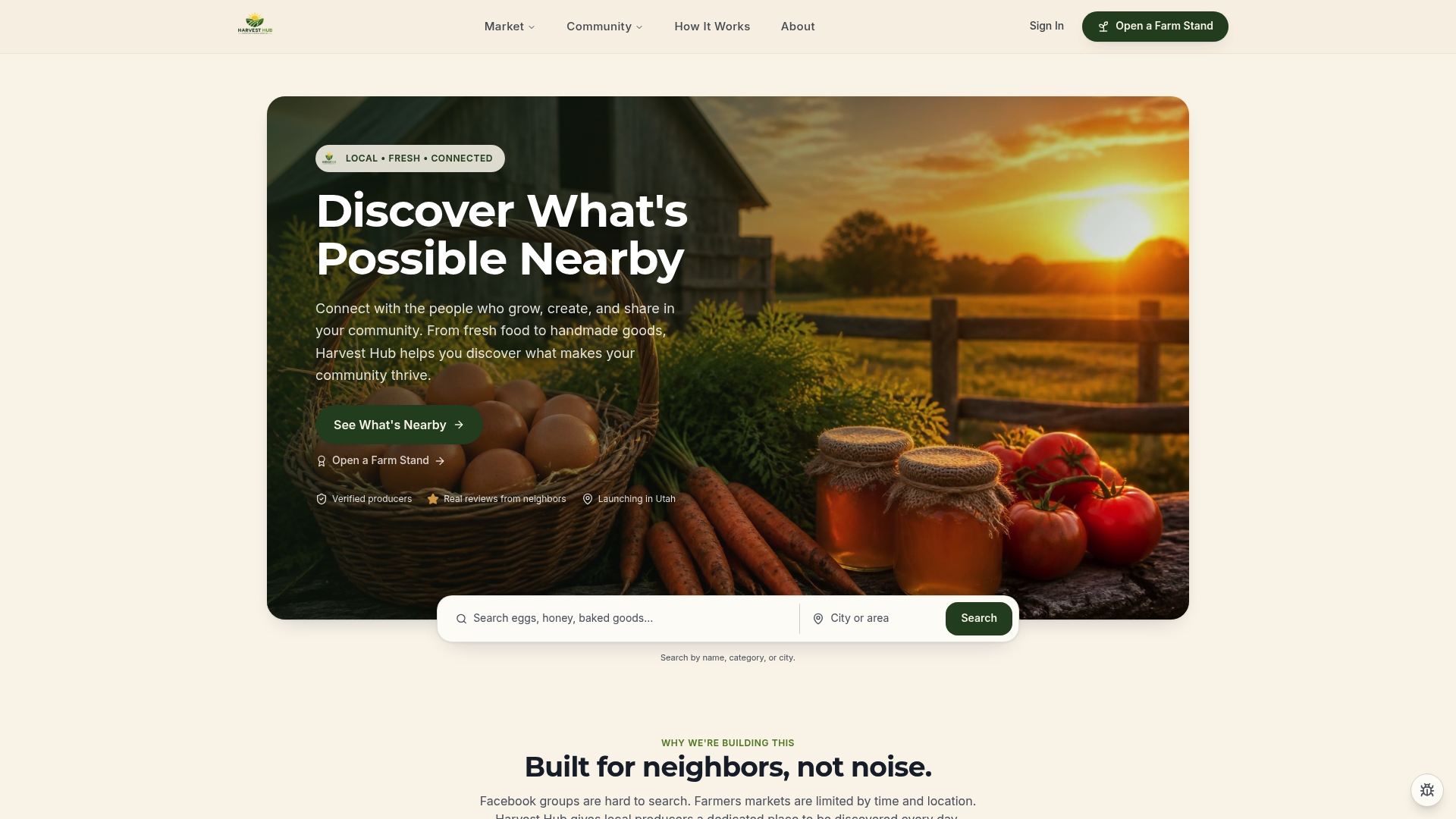
Producers get verified buyer profiles, a digital farm stand for listing pickup availability, and event tools for things like U-pick days or seasonal markets. Buyers get a way to discover nearby producers, follow their favorite farm stands, and message directly to arrange a pickup time. Listings like Uncle Johnny's U-Pick Farm and FarmBox SF show how small sellers already use the platform to manage handoffs without ever touching a delivery app.
If you produce something worth sharing with your neighbors, start a farm stand and set your own pickup schedule today.
Sources
- Fast Food Pickup vs Delivery: Cost and Time Guide
- Cottage Foods - Florida Department of Agriculture & Consumer Services
- Selling Foods Made at Home: Texas Cottage Food Law
- What are delivery zones and how do they work? | Geo2