

If you grow, propagate, or sell live plants in the United States, you will usually need a state nursery license. The exact trigger varies by state, sometimes by a dollar amount, sometimes by activity type, but the safest first move is the same everywhere: check your state Department of Agriculture's nursery licensing page or call your county nursery inspector before you list a single plant for sale.
TL;DR:
- Growers propagating or selling nursery stock exceeding $250 in Oregon or selling at all in states using activity-based licensing must obtain a license before sales.
- License fees and inspection frequency vary by state, with Indiana charging $50 plus $3 per acre for growers, and resale licenses being typically flat-rate based on inventory.
- Applying for a license involves locating the correct state portal, submitting business details, paying fees, and scheduling an inspection, which should be started six to eight weeks in advance.
- Shipping nursery stock across state lines requires an additional phytosanitary certificate, which must be requested early due to inspection processing times.
- Casual sales, native plant sales, and vendor licensing at farmers markets or nonprofits often qualify for exemptions or simplified permits, but specific requirements differ widely.
Table of Contents
- What counts as nursery license requirements for your operation
- Grower, dealer, and temporary license types explained
- How to apply for a state nursery license, step by step
- Do you need a phytosanitary certificate to ship out of state?
- Exemptions and temporary licenses worth knowing about
- Recordkeeping and inspection prep that actually prevents problems
- Finding your state's nursery licensing resources
- Why licensing is worth it before you ever list a plant
- List Your Licensed Nursery Stock on Harvest Hub
- Sources
What counts as nursery license requirements for your operation
Nursery stock generally means trees, shrubs, vines, perennials, and other plants intended for planting, propagation, or ornamentation. Cut flowers, most houseplants sold as decor, and one-off sales of surplus garden starts often fall outside the definition, but that line shifts state to state.
Oregon sets a clear dollar threshold: sell more than $250 of nursery stock in a fiscal year and you need a license. Other states key off activity instead of revenue, licensing anyone who "sells or solicits the sale" of stock regardless of volume.
Your role also matters:
- Growers propagate or raise stock on their own land for resale.
- Dealers buy finished stock from growers and resell it without propagating.
- Landscapers who install plants as part of a service often need a separate category.
- Collectors who dig and sell wild or native plants may trigger yet another license type.
Grower, dealer, and temporary license types explained
The category you fall into decides how often you get inspected, what you pay, and how much paperwork lands on your desk.
- Grower license. Covers anyone propagating stock for sale. Indiana's grower license runs $50 plus $3 per acre inspected, and most states pair this license with a routine field inspection, often annual.
- Dealer/retail license. Covers resale without propagation. Fees are frequently flat or tiered by inventory value rather than acreage, since there's no field to walk.
- Voluntary or temporary license. Built for farmers markets, one-time plant sales, or nonprofit fundraisers. These typically expire on a fixed date and don't require the same inspection cadence as a full grower or dealer license.
The practical difference: propagating your own stock almost always pulls you into the grower category, which carries the heavier inspection load compared to simply reselling.
How to apply for a state nursery license, step by step
Every state runs this process a little differently, but the sequence rarely changes.
- Step 1: Find the correct portal. Search your state Department of Agriculture's site for "nursery licensing" or "nursery registration." Florida runs this through FDACS's registration program, while California routes applicants through county agricultural commissioners under CDFA's Nursery Services Program.
- Step 2: Fill out business and site details. Expect fields for legal business name, growing locations, estimated acreage or inventory value, and whether you grow, buy, or both.
- Step 3: Submit, schedule an inspection, and pay. Fees often scale with acreage or sales volume rather than a flat rate. Indiana's per-acre model is a good example of how quickly costs can shift for larger operations. Many licenses run on a fiscal-year cycle and expire on a fixed date regardless of when you applied.
- Step 4: Receive your certificate and keep it current. Renewal notices usually arrive weeks before expiration; miss the date and you'll likely face a late fee or a lapse that puts you out of legal compliance until you reapply.
Pro Tip: Apply at least six to eight weeks before you plan to sell. Inspection scheduling backs up in early spring when every grower in the state wants a certificate at once.
Do you need a phytosanitary certificate to ship out of state?
Shipping nursery stock across state lines sometimes triggers a second layer of paperwork on top of your base license. Destination states enforce their own pest quarantines, and a phytosanitary or inspection certificate proves your stock left your state free of regulated pests.
Request these certificates from your state's plant health or nursery inspection division, and build in lead time since inspectors need to physically examine stock before signing off.
Before you ship out of state:
- Confirm the destination state's specific pest restrictions (some target specific insects or diseases by region).
- Request your certificate early; same-day turnaround is rare.
- Keep a copy with every shipment, not just on file at your office.
Exemptions and temporary licenses worth knowing about
Not every plant sale needs a full license. Casual home sales of surplus garden starts, sales of non-propagated cut material, and certain native plant categories are commonly exempt, though limits vary widely by state.
- Farmers market vendors often qualify for a temporary or voluntary license tied to specific market dates.
- Nonprofit plant sales sometimes get a simplified permit rather than a full commercial license.
- County or city rules can layer on additional requirements even when you're exempt at the state level, so check both.
Recordkeeping and inspection prep that actually prevents problems
Inspectors look for the same weak spots repeatedly: unmanaged pests on incoming stock, no vendor source list, unclear labeling, and poor sanitation in propagation areas, according to Michigan's nursery inspection program. Fixing those four issues before an inspector arrives resolves most citations before they happen.
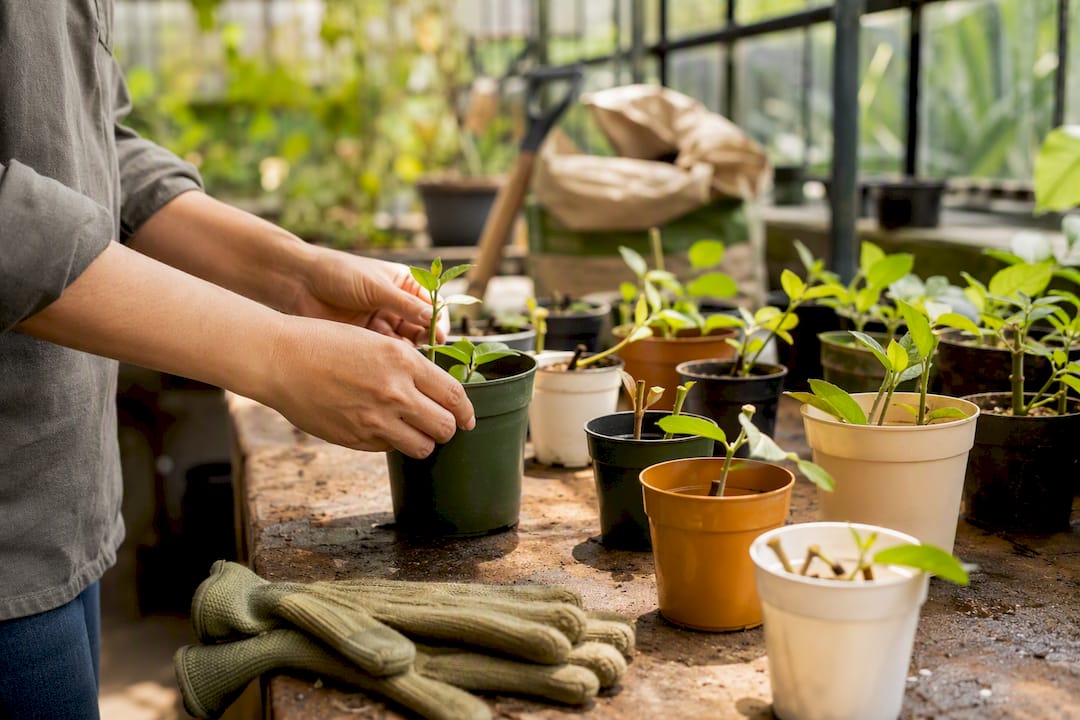
Keep a running sales log, a list of where every plant in your inventory originated, copies of past inspection certificates, and any pest treatment records for at least a few growing seasons.
Pro Tip: Label every incoming shipment with its source and arrival date the day it lands on your property. Inspectors ask for this first, and scrambling to reconstruct it later is where most small growers lose time.
Finding your state's nursery licensing resources
Every state DOA page follows a similar layout once you know what to look for: downloadable application forms, a fee calculator or fee schedule, a breakdown of license categories, and direct contact information for your regional nursery inspector.
Model pages worth studying: Oregon's nursery licensing page, Florida's FDACS registration program, California's CDFA Nursery Services Program, Indiana DNR's growers and dealers page, Michigan's MDARD nursery program, Colorado's Department of Agriculture nursery program, and New Mexico's NMDA nursery licensing page.
- Bookmark your state's page and the county extension or inspector contact.
- Gather your business info, site addresses, and estimated inventory before you start the form.
- Call the inspector's office directly if a threshold or category isn't clear online. Most answer that question faster than any FAQ page can.
Why licensing is worth it before you ever list a plant
Small growers who register early, before they've built up inventory or a following, save themselves the scramble later. I've seen how quickly a backyard hobby turns into something buyers actually want to pay for once it looks legitimate. A visible license and inspection certificate does real work on a marketplace: buyers trust a seller who can show their paperwork over one who can't.
— Sheldon
List Your Licensed Nursery Stock on Harvest Hub
Harvest Hub doesn't replace your state license. What it does is give licensed growers a place to turn that paperwork into sales, without waiting for the next farmers market or hoping a neighbor sees your driveway sign. Once you've got your certificate in hand, you can build a digital farm stand, show buyers your verified profile, and list plants alongside eggs, garden starts, and baked goods from other producers near you.
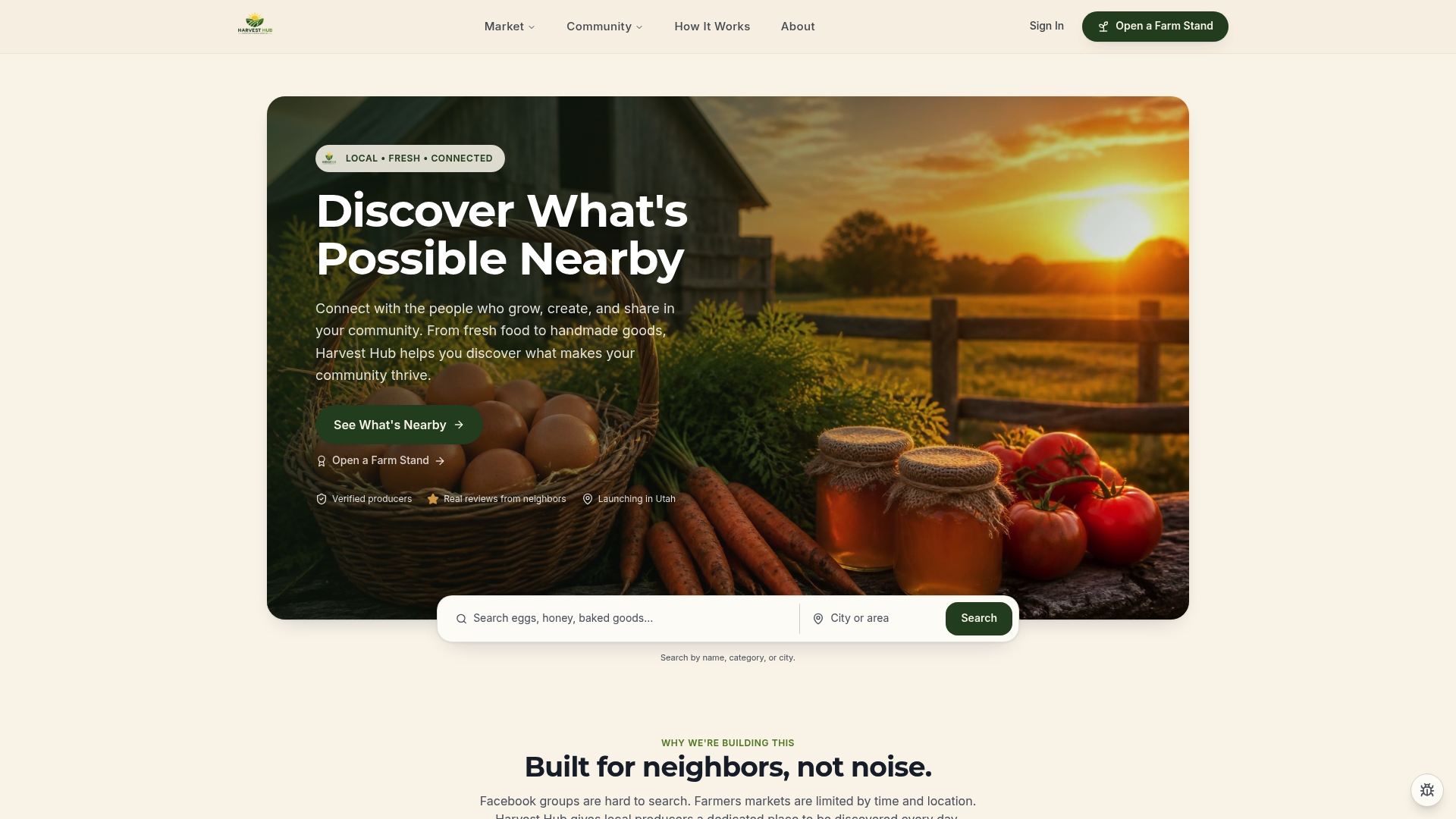
Licensing stays entirely your responsibility, but presenting it well is where a platform helps. A verified profile with a current inspection certificate gives local buyers a reason to trust your stand over an anonymous listing on a classifieds site. If you're ready to move from "licensed" to "selling," open a farm stand and start listing your nursery stock to buyers already browsing the marketplace in your area.
Sources
- Nursery licensing — Oregon Department of Agriculture
- Nursery and Stock Dealer Registration — Florida Department of Agriculture and Consumer Services
- Nursery Services Program — California Department of Food and Agriculture
- Nursery growers & dealers — Indiana DNR
- Nursery licensing and inspection — Michigan Department of Agriculture and Rural Development (MDARD)