
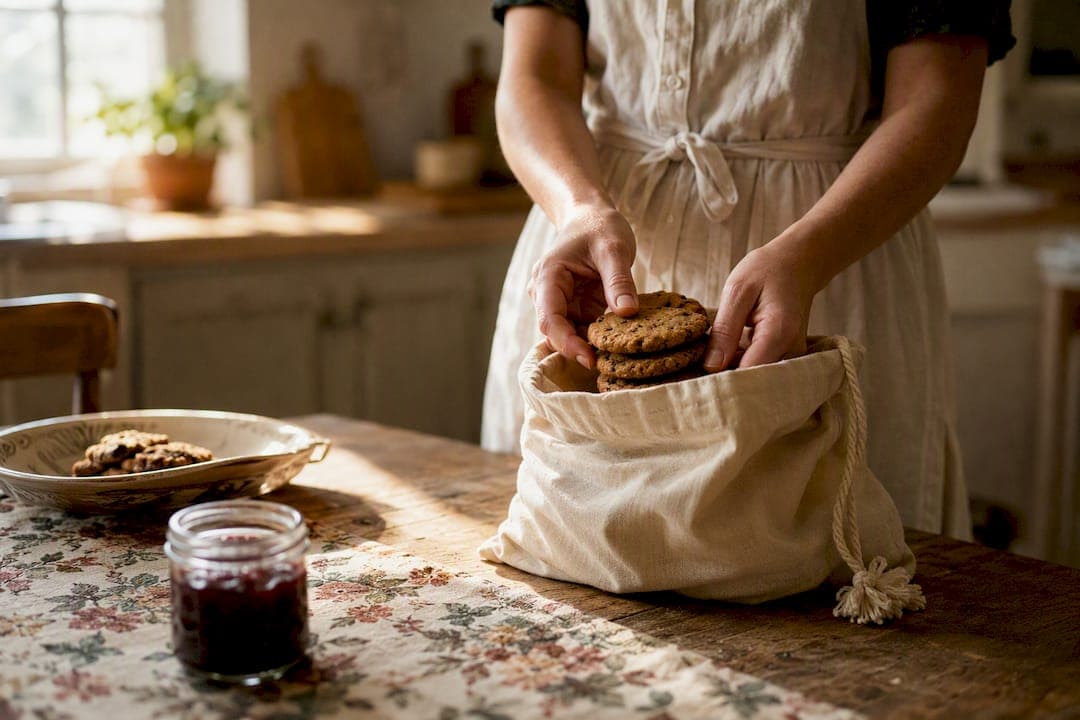
Yes, you can sell food on Facebook Marketplace, but two separate rulebooks decide whether you can do it legally: Meta's own Commerce Policies and your state's cottage food law. Meta sets what can appear on the platform at all. Your state, and often your county health department, decides whether you're allowed to make and sell that food in the first place. Before you post a single listing, check three things: whether your product qualifies under your state's cottage food rules, whether your county (like Santa Clara County's health department) requires a visible permit number, and whether you're prepared to handle payment and pickup without any help from Facebook itself.
- Meta's Commerce Policies restrict certain homemade and non-shelf-stable foods, though enforcement is inconsistent.
- California's cottage food and MEHKO rules are a useful model for the kind of permit and labeling requirements most states impose.
- A verified platform like Harvest Hub can absorb some of the trust and compliance friction Marketplace leaves on your plate.
Pro Tip: Screenshot your state's cottage food product list before you write a single listing. It's the fastest way to avoid building a menu around something you're not legally allowed to sell from home.
Key Takeaways
Selling food legally on Facebook Marketplace depends on your state's cottage food law and county permit rules, not on Facebook's own policies alone.
| Point | Details |
|---|---|
| Check state law first | Confirm your product appears on your state's approved cottage food list before listing anything. |
| Display your permit | Counties like Santa Clara and San Mateo expect permit numbers visible in the post itself. |
| Label completely | Include ingredients, allergens, net weight, and the cottage-food disclosure on every package. |
| Protect against no-shows | Use deposits and clear pickup windows since Marketplace offers no payment protection. |
| Build a durable channel | Harvest Hub gives verified producers a permanent storefront with permit display and reviews once Marketplace demand proves out. |
Table of Contents
- What Facebook's Commerce Policies Actually Say About Food
- Who Actually Regulates Home Food Sales in the U.S.?
- What Labels and Packaging Need to Show
- How to Sell Food on Facebook Marketplace the Right Way
- What Happens When Sellers Break the Rules?
- Where Local Food Sellers Can Go Beyond Marketplace
- A Local Seller's Take on Marketplace Reality
- A Verified Home for Your Farm Stand
- Where to Check the Rules Yourself
- Frequently Asked Questions
- Sources
What Facebook's Commerce Policies Actually Say About Food
Meta's Commerce Policies don't ban food outright, but they draw a line around anything made in a private kitchen and anything prepared or not shelf-stable. That covers a lot of the food people actually want to sell on Marketplace, from frosted cakes to soup. The catch is that enforcement runs largely on automated detection, which flags some listings inconsistently and lets others slide for months.
Facebook's policy also puts the compliance burden squarely on the seller. The platform expects you to follow "all applicable laws and regulations," but it does not check permits, licenses, or state registration before a listing goes live.
- Jams, honey, and baked goods often survive moderation longer than items like plated meals or dairy-based desserts.
- Automated removal can happen with no warning and no clear appeal path.
- A suspended account can also pull down unrelated listings you've posted for other goods.
That gap between "technically against policy" and "actually removed" is exactly why so many sellers feel like the rules are murky. They're not vague. They're just unevenly applied.
Who Actually Regulates Home Food Sales in the U.S.?
Federal agencies like the USDA and FDA generally stay out of small-scale home food sales. The real authority sits with your state legislature and, in many cases, your county environmental health department. That's the split that determines whether your Marketplace listing is a side hustle or a citation waiting to happen.
Selling food through Facebook is legal in all 50 states as long as the seller follows their state's cottage food law, which typically dictates what products qualify, how much you can earn before triggering a commercial license, and what has to appear on your label. Cottage food laws commonly permit shelf-stable goods like baked goods, jams, honey, and candy, and many states cap annual revenue somewhere between $25,000 and $75,000 before a seller needs a full commercial kitchen license.
California is a good case study because it runs two separate tracks. A Cottage Food Operation (CFO) permit covers non-perishable items like bread, granola, and dried pasta, sold directly to consumers with a permit number disclosed to buyers. A Microenterprise Home Kitchen Operation (MEHKO) permit, issued and enforced at the county level, allows a wider range of cooked meals but caps daily meal counts and revenue, and still bars canning, smoking, or other high-risk preservation methods at home. San Mateo and Santa Clara counties both require permit holders to display their permit number on public listings, including social media posts.
- Find your state's cottage food statute and its list of allowed products before you plan your menu.
- Check whether your county layers on its own permit or registration requirement.
- If you're in California, confirm whether CFO or MEHKO fits your product, since the limits differ significantly.
What Labels and Packaging Need to Show
Most cottage food laws share a common labeling backbone, and getting this right protects you as much as it protects the buyer. Expect to include the product name, net weight or volume, your name and business address, a full ingredient list in descending order by weight, any major allergens, and a cottage-food disclosure stating the item was made in a home kitchen not subject to routine inspection.
- Product name and net weight or volume, stated clearly on the package.
- Ingredient list in descending order, plus a call-out for common allergens like nuts, dairy, or eggs.
- Seller name, business address, and the required cottage-food disclosure statement.
Food safety goes beyond the label. Potentially hazardous items, anything needing refrigeration to stay safe, are restricted or outright disallowed under most cottage food laws, which is why the category skews toward baked goods and preserves. A food handler card is cheap, quick to get, and one of the clearest signals to a buyer that you take this seriously. Basic liability insurance is worth pricing out too, since a single foodborne illness claim can cost far more than a policy.
Pro Tip: Photograph your label next to the finished product before every batch. If a health inspector or a skeptical buyer ever asks, you'll have dated proof your labeling was consistent.
How to Sell Food on Facebook Marketplace the Right Way
Getting a listing right takes about the same effort as getting it wrong, so there's no real shortcut worth skipping.
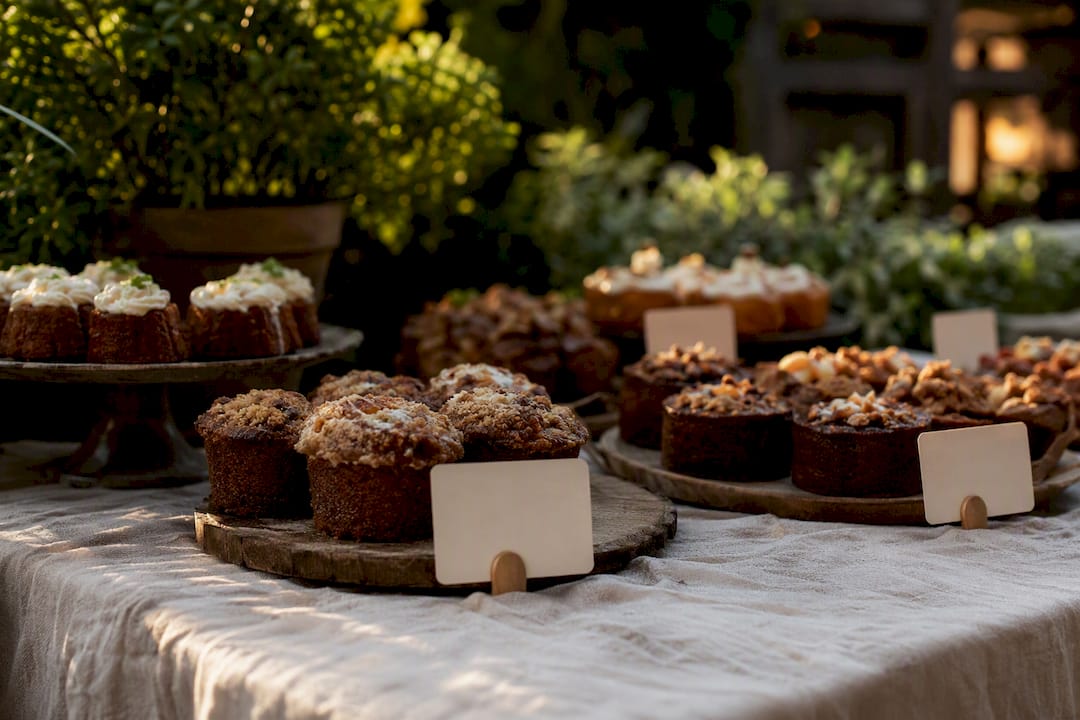
Confirm your product actually qualifies under your state's cottage food list and check whether your county adds its own registration on top. Once you're cleared, get your permit and put the number directly in the listing text, not buried in a comment or a separate document. Write your label copy before you write your Marketplace description, since the two should match exactly.
- Verify eligibility under your state's cottage food law and any county add-ons.
- Get your permit or registration, then display the number in the post itself.
- Write complete label copy: ingredients, allergens, net weight, disclosure statement.
- Set pickup windows, note your payment method, and outline handling instructions in the listing.
- Take clear photos, keep a buyer contact log, and consider a small deposit for larger orders.
Confirming eligibility, following labeling rules, and keeping sales local unless your state permits shipping is the core practical workflow most compliant sellers follow.
Pro Tip: Ask for a small deposit on any order over $20. Ghosted pickups are common enough on Marketplace that a few dollars upfront saves you from wasting a batch.
What Happens When Sellers Break the Rules?
Two enforcement systems can hit you independently, and they don't talk to each other. Facebook's side is automated: a flagged listing disappears, sometimes with a warning, sometimes with an account restriction that takes down everything else you've posted.
The public-health side is slower but has real teeth. Local reporting on Santa Clara and San Mateo counties found that environmental health departments periodically check online platforms for unpermitted vendors and can pursue enforcement, including fines, when they identify one.
County health staff have told reporters that permitted cottage food and MEHKO operators are expected to post their permit numbers on social media, and that unpermitted sales carry real food-safety risk once buyers can't verify who made the product or under what conditions.
Buyers face their own risks too: no built-in payment protection, no dispute resolution, and no guarantee the seller shows up. A deposit and a clear pickup window solve most of it.
Where Local Food Sellers Can Go Beyond Marketplace
Marketplace is a fine place to test whether people want what you're making, but it wasn't built to run a food business. There's no order queue, no repeat-customer tools, and no way to display a permit number that a buyer can actually trust without asking. Vendor guidance on scaling past Marketplace consistently points sellers toward platforms built for exactly this gap.
A verified marketplace profile does the trust work a Marketplace post can't: it shows your permit, your reviews, and your history in one place, instead of asking a stranger to take your word for it.
A platform like Harvest Hub lets producers build a digital farm stand with a verified profile, so a buyer sees your permit status and reviews before they ever message you. Use Marketplace to gauge demand, then move repeat buyers somewhere built to hold onto them.
A Local Seller's Take on Marketplace Reality
Marketplace gets you seen fast, but it's a fragile place to build a business. One local baker described posting muffins and jam for months before realizing she needed a permit number visible on every post, not just filed away in case someone asked.
She started requiring small deposits after two no-show pickups in one week, and eventually stopped listing anything perishable at all. Reach is real. So is the lack of control once a buyer stops replying.
A Verified Home for Your Farm Stand
If you're tired of ghosted pickups, unclear permit expectations, and listings that vanish without warning, Harvest Hub gives your food business a home built for exactly the trust problems Marketplace can't solve. Producer profiles show your permit status, reviews, and product history up front, so buyers don't have to take your word for anything.
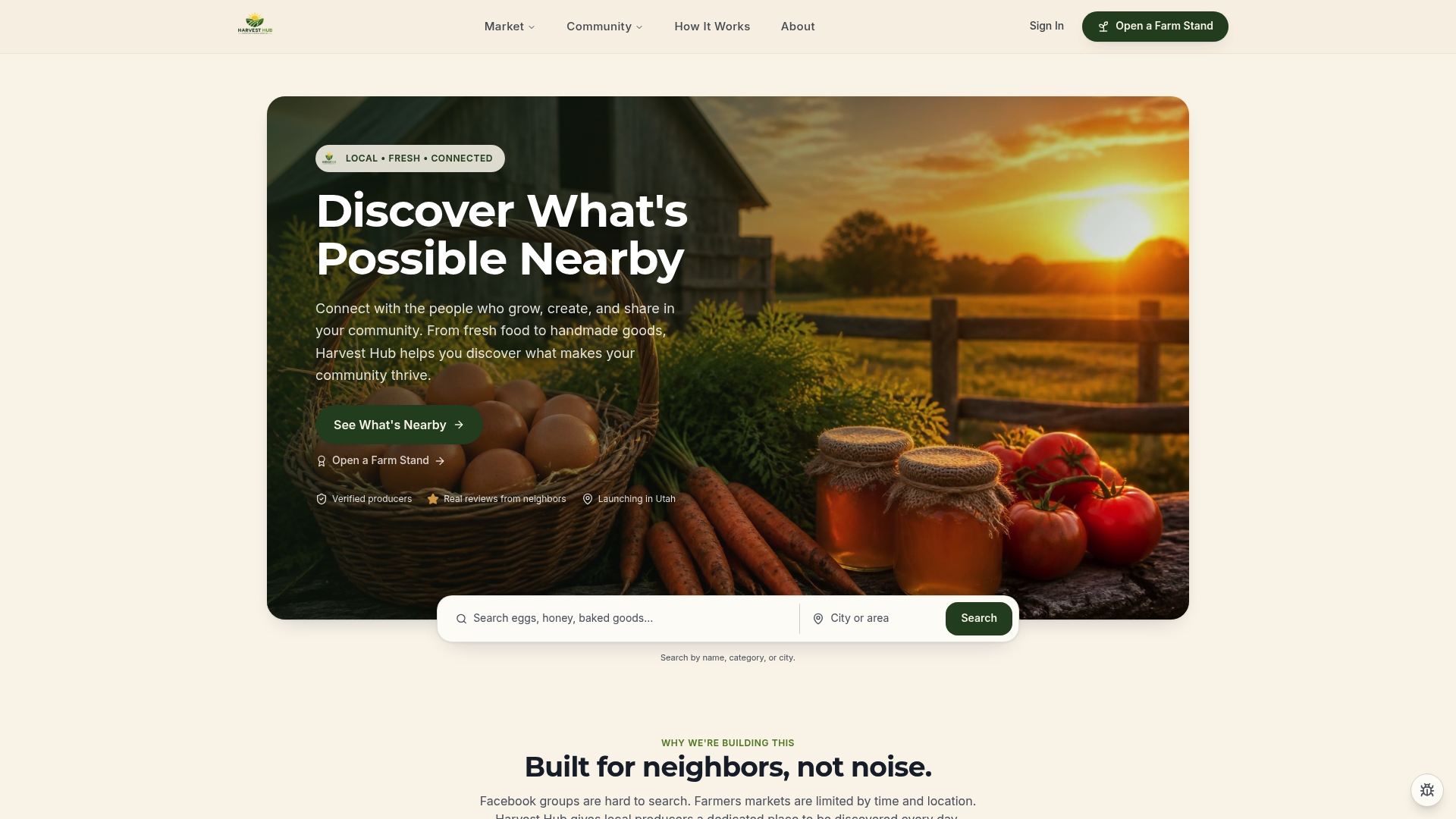
Every farm stand on Harvest Hub can display permit numbers, product details, and pickup logistics clearly, the same details county health departments already expect you to disclose. Browse a working example like FarmBox SF to see how a California producer presents that information, or check the Trust Center for how verification works across the platform. When you're ready to move beyond one-off Marketplace posts, open your own farm stand and give repeat customers a place to follow you, not just a post that disappears in a week.
Where to Check the Rules Yourself
For platform rules, review Meta's Commerce Policies directly rather than relying on secondhand summaries. For legality, your state's cottage food statute and county environmental health page carry more weight than any blog, including this one.
- Palo Alto Online's reporting on county enforcement in Santa Clara and San Mateo.
- Findhomegrown's guide to state-by-state cottage food legality.
- Chefry's breakdown of Marketplace's missing business infrastructure.
- Harvest Hub for a verified alternative once you're ready to scale past Marketplace.
Frequently Asked Questions
Can you sell food on Facebook Marketplace legally? Yes, in every state, but only if you follow your state's cottage food law and any county permit requirements. Facebook's own rules don't override local food safety law.
Does Facebook check permits before allowing a food listing? No. Meta's Commerce Policies expect sellers to follow applicable laws, but the platform doesn't verify licenses or permits before a listing goes live.
What foods are typically banned from home kitchen sales? Potentially hazardous items needing refrigeration, like custards, cream-filled pastries, or raw dairy products, are commonly restricted under state cottage food laws unless you hold a higher-tier permit like California's MEHKO.
Do I need a permit number on my Facebook Marketplace listing? Some counties, including Santa Clara and San Mateo in California, expect permitted cottage food and MEHKO operators to display their permit number on social media posts, including Marketplace.
What happens if I sell food without a permit on Facebook? You risk both platform-side removal or account suspension and, in some counties, public-health enforcement that can include fines once an unpermitted seller is identified.
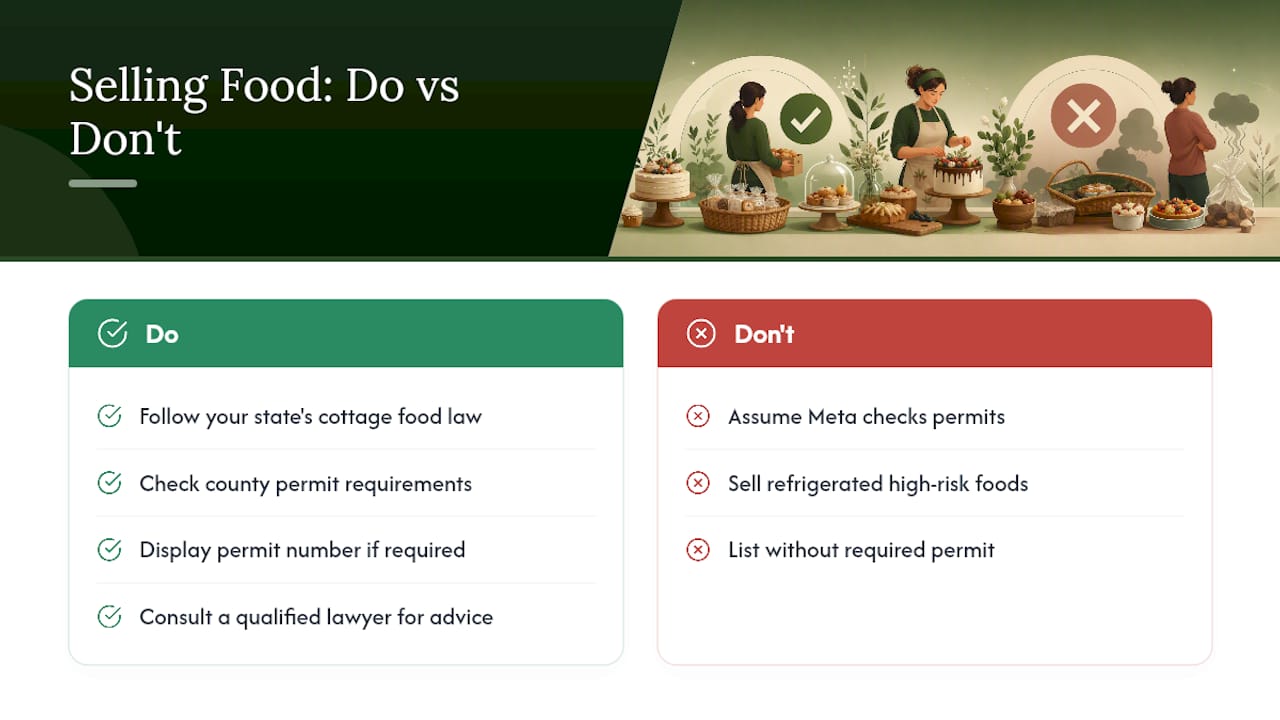
This article is general information, not a substitute for advice from a qualified lawyer. Consult a qualified legal professional about your own circumstances before acting on anything here.
Sources
- Inside Facebook Marketplace’s thriving — and largely unregulated — food business - Palo Alto Online
- Is Selling Food on Facebook Legal? (Yes — Here's How)
- Selling Food on Facebook Marketplace? Here's a Better Way, Chefry